In this blog post, i offer information about fake AI animal-related videos and their impact on advocacy, as well as warnings about popular scams involving shelter pets and lost pets.
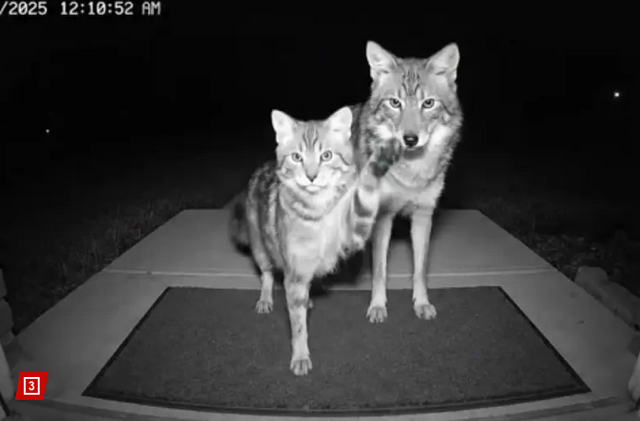
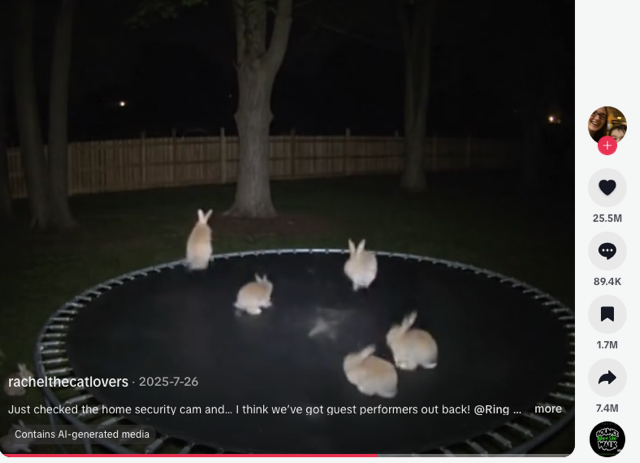
An AI trend shows fake moments between species caught on doorbell cameras. This is a classic tricks since those cameras are usually low resolution / have artifacts, which makes hiding AI flaws easier. In this case, notice for example how the angle of the camera is too low, how the animals look straight at the camera, and mostly, how unlikely it would be for these two to actually develop a friendship.
You see a cute video of a dog helping his guardian make tortillas. Or a lovely friendship between two animals who are usually prey/predator. We all want to live in a world where these beautiful things are possible, love, care and connection beyond species. A world that makes us smile, a world that makes us feel. A world that perhaps makes us forget our reality for a few seconds.
But behind these seemingly innocuous videos, lies a host of ethical challenges and dangerous trends that are impacting people and animals in many ways, including emotional, ethical, and financial ways.
Choosing to share these videos or engage with their content, even if just for a laugh, might carry more negative impact than you could imagine.
And with AI scams on the rise, especially involving shelter dogs, rescues and family pets, it’s important we all learn to spot the fake and protect ourselves and others.
The impact on wildlife
Late 2025, researchers from the GESBIO group at the University of Cordoba—José Guerrero, Francisco Sánchez, Antonio Carpio, Rocío Serrano, and Tamara Murillo— examined how AI-generated wildlife content affects public understanding and conservation of wild species and published their findings.
Their analysis of the most frequently shared videos reveals several major concerns: misinterpretations of how wild animals behave (for example, it is extremely unlikely that a leopard would enter a backyard or that a cat could scare one away), the projection of human-like traits onto animals, and a growing disconnect between people and the natural world.
“They reflect characteristics, behaviors, habitats, or relationships between species that are not real. For example, we see predators and prey playing. They show us animals with human behaviors that are far from reality,” explains José Guerrero. “The video of the child playing in the yard, the one featuring the leopard, undermines the conservation of a species like this, as you will never encounter it in that situation,” he continues.
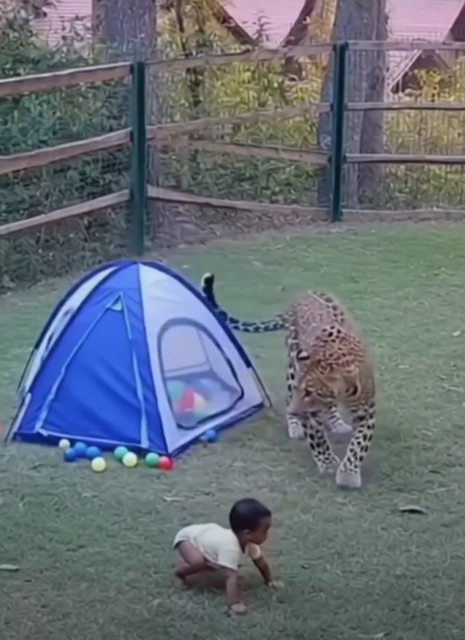
Screenshots from a video depicting a leopard approaching a baby, when a house cat jumps on the leopard and chases him away.
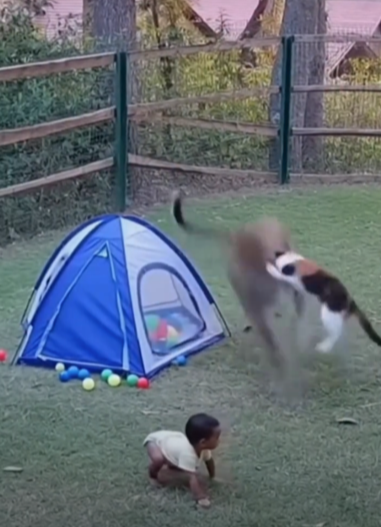
Notice items that don’t make sense: the toys in the tent. Are these balls? The tent itself (on the left side), the fencing in the back... The video itself has strange artifacts, and the frame rate between the leopard and cat is off.
Here are some ways in which these AI videos impact wildlife:
Increase in the demand for exotic species as pets. By portraying adorable behaviors and assigning sociable temperaments to these animals, it might make more people want to have them at home (says Murillo who took part in the study)
Banalization of the exploitation of wildlife for entertainment purposes. If you see realistic videos of happy elephants carrying people on their back or playing, you might assume that is a natural and safe activity. When in fact, these activities often mean a life of punishment, isolation, and misery for the animals.
Could lead to dangerous human behaviors seeking out these interactions: depicting wild animals like bears as cute and friendly might encourage people to seek out these creatures in the wild, leading to more mauling and accidents. And potentially the harm of the animals themselves.
Confusion about what these animals actually need to thrive in terms of environment, food, behavior, etc. Impacting education and ultimately conservation efforts.
The impact on advocacy
Lower trust in authentic photos and videos. This can hurt real activism, as normal behaviors might be dismissed, or the public might not be able to discern what is real or not, and choose to distrust altogether. The public might become used to grand rescue or advocacy videos, and dismiss real-life, less shiny experiences.
Ethical lines are blurred in fundraising and campaigning. Rescues or nonprofits exploiting animals and humans for their campaigns, showing them in ways that are untrue and without their consent.
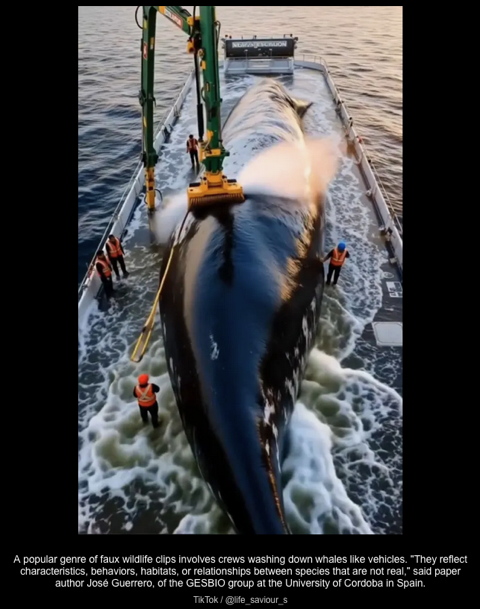
Exonerating humans from their behaviors that lead to the harm of animals: in these videos, humans are often depicted as saviors helping grateful animals (videos of humans washing a whale, or removing shells from a grateful sea mammal). Scientists say this narrative distracts attention from the real threats to animals: pollution, deforestation, and habitat destruction, all caused by human activity.
Scams involving rescues and shelter dogs
Emotional manipulation and money scam. Fake rescues have been around for a long time. They set up fake scenarios, or pretend to run a shelter somewhere remote, begging for donations. Now with the help of AI, their content is becoming nearly indiscernible from real rescue efforts. Some videos are becoming more emotionally jarring too, which leads people to donate in a knee-jerk reactions.
Erosion of trust. Another trend involves fake pages spreading stories of dogs about to be euthanized. This happened in the Bay Area in late February 2026 for example at the Ventura County Animal Services too. A fake page is spreading lies about dogs about to be euthanized. These posts are getting thousands of likes and traction, people pledging donations. The shelter has gotten hundreds of calls from angry community members who are distraught at the idea of these dogs being euthanized.
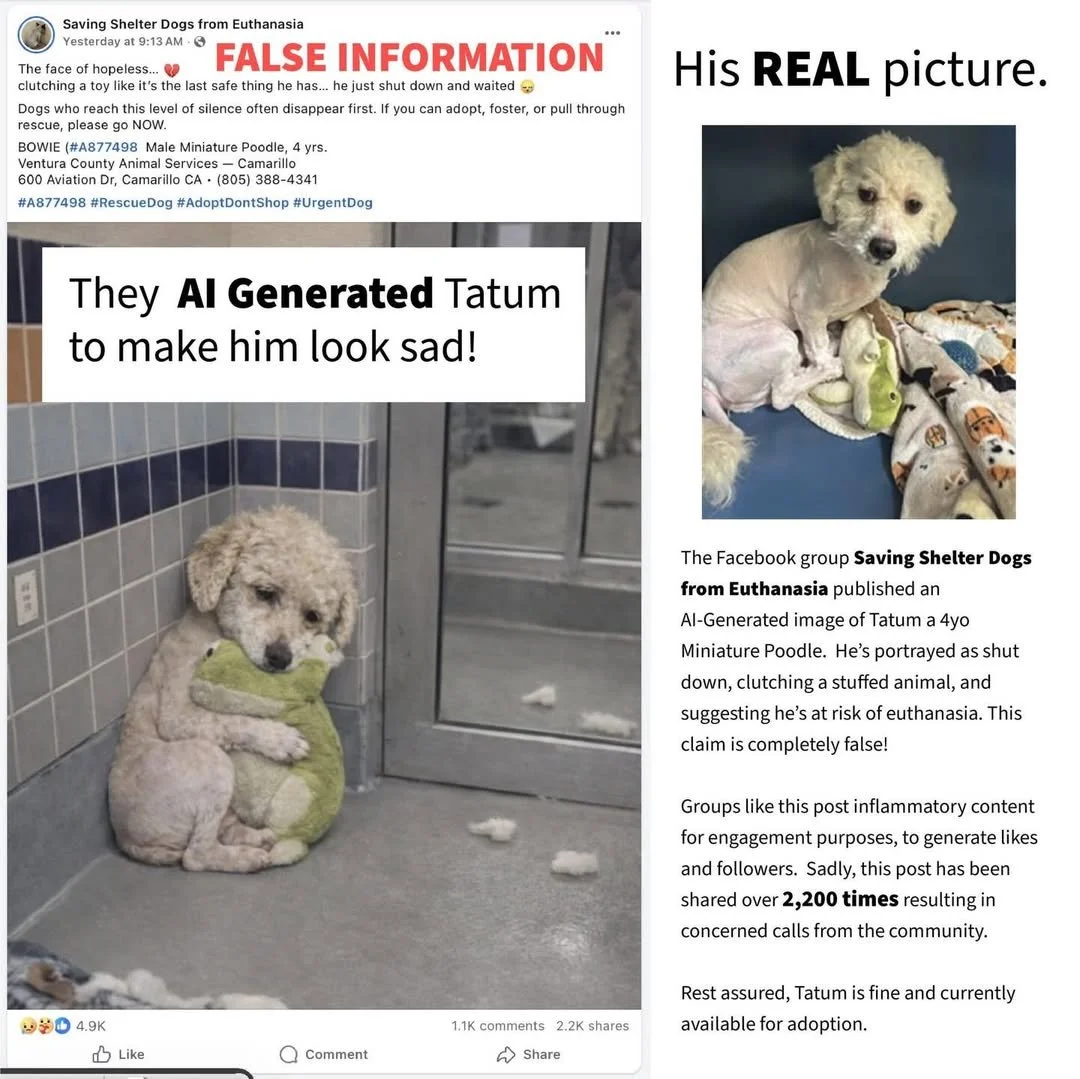
In this case, this Facebook page is posting AI-generated photos of sometimes real shelter pets, claiming these dogs are on the euthanasia list.
They use real ID numbers and shelter info. But the information is untrue: these dogs are not at risk, some are not real, and as a matter of fact, some have already been adopted.
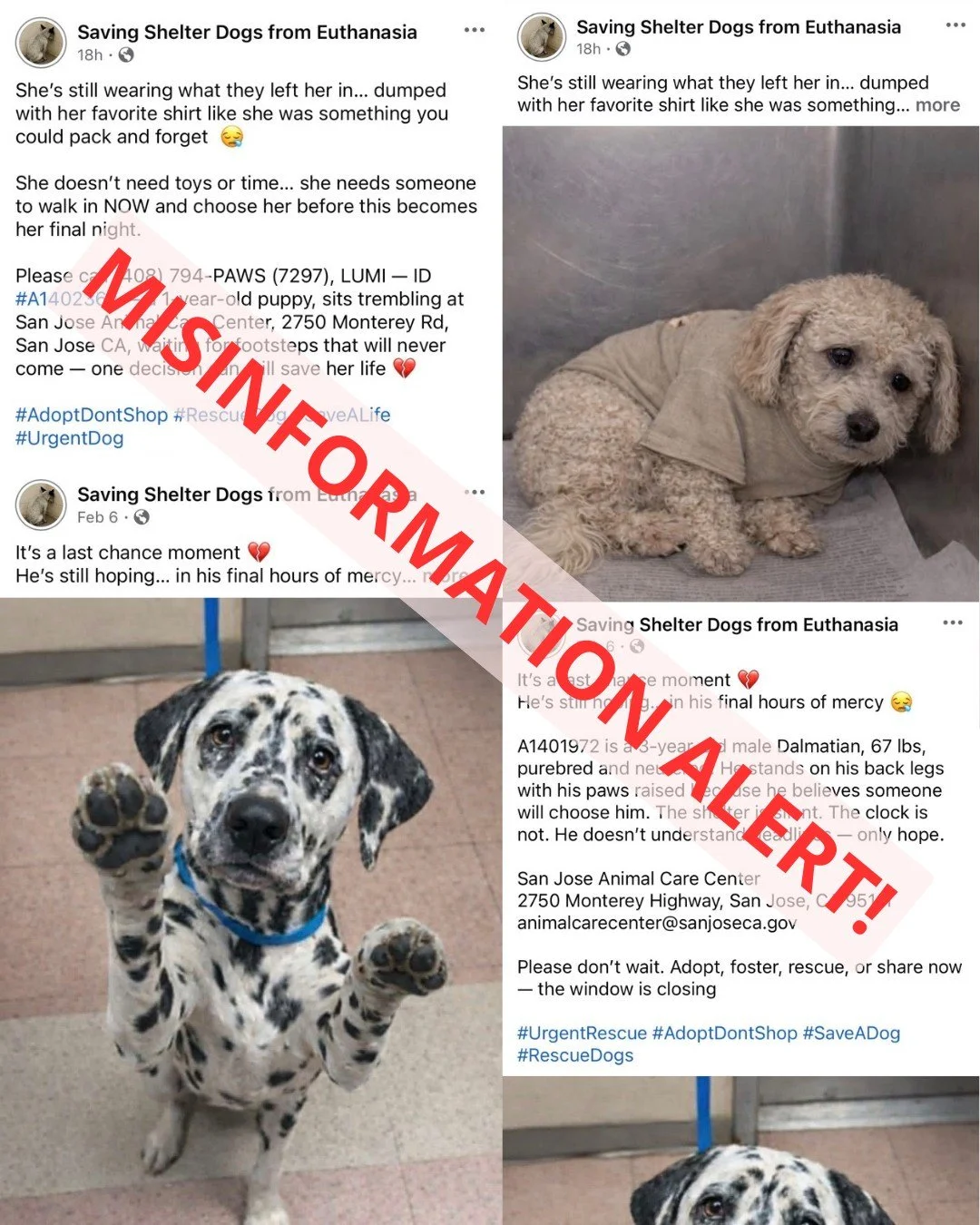
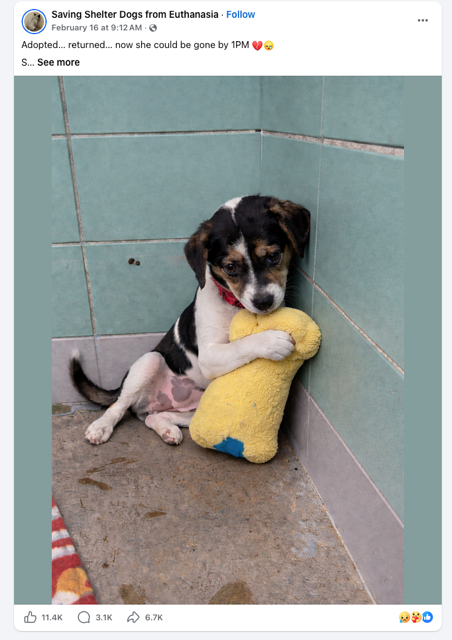
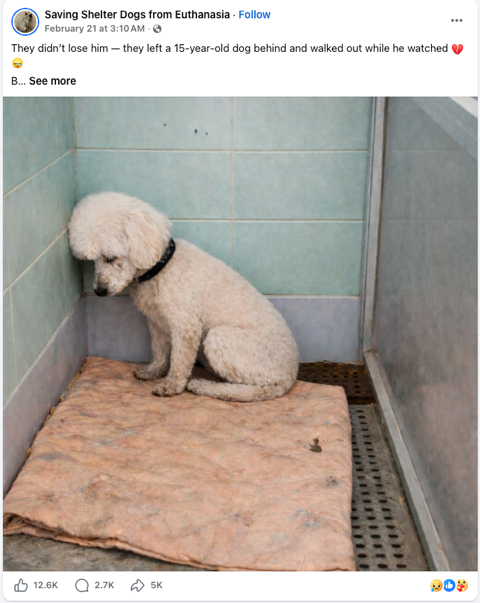
Some of the comments under the warning post shared by my local shelter were very revealing: “lol. I mean… if it gets more pets adopted…” or “He’s still a real shelter dog isn’t he? I don’t mind at all if they take a REAL shelter dog and AI it to bring attention.”
In my opinion, these are very misguided takes. First, this page is a scam. They profit from posting fake content and they are not officially related to the shelter": possibly funneling donations, or at least receiving monetary bonuses from Facebook due to the high engagement their posts receive. Second, even if they were working with the shelter, I believe that no ethical organization should use AI-generated content to present their animals in ways that emotionally manipulate the public.
Lost pets scams
Scams involving lost pets seem to be on the rise as well, with owners being contacted by scammers who claim to have their animals, using AI images, and demanding payment in gift cards for the return of the animal.
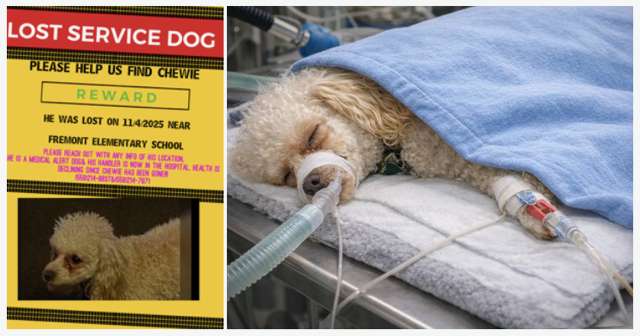
On the left is the lost flyer for this dog. On the right, the AI-generated image used by the scammer to get the owner to send them money.
HOW TO PROTECT YOURSELF AND THOSE AROUND YOU
Learn to identify signs that a video or image is AI generated and always use your better judgement. If it seems too incredible to be true, it probably is not.
Some signs an image may be AI-altered:
Unrealistic or exaggerated behavior
Body moving in unnatural way
Strange anatomy (extra toes, distorted limbs, odd facial features)
Unnatural lighting or shadows
Elements might appear and disappear from the video
Backgrounds that look warped or inconsistent
Animals that appear “too perfect” or overly dramatic
Look for details in the image like background item (cables, windows, fences) and notice where things don’t make sense
Sound is metallic or low resolution, something feels off
As tempting as it may be, do not engage with such content, share, comment, etc. (even to comment that this is AI). Pages that push fake AI animal video usually have a vested interest. Platforms like Youtube, TikTok, Facebook, Instagram, have monetary bonuses they distribute to pages with lots of engagement.
Curate your social media feed to support only organizations and advocates you trust: accredited organizations, public figures, experts who have been around a long time.
Pay attention to the pages sharing this content and question their goal and motives. They usually have generic names like “Animal shelter love”, “Save shelter dog from euthanasia”, “pit bull lovers”, etc. These pages’ primary focus is in sharing emotionally gripping content, to generate engagement, and sometimes donations.
Stay safe out there! And when in doubt, remember to take a moment to breathe and step back before sharing or donating, and check the source, always!