SPAY/NEUTER CLINICS IN RURAL ECUADOR
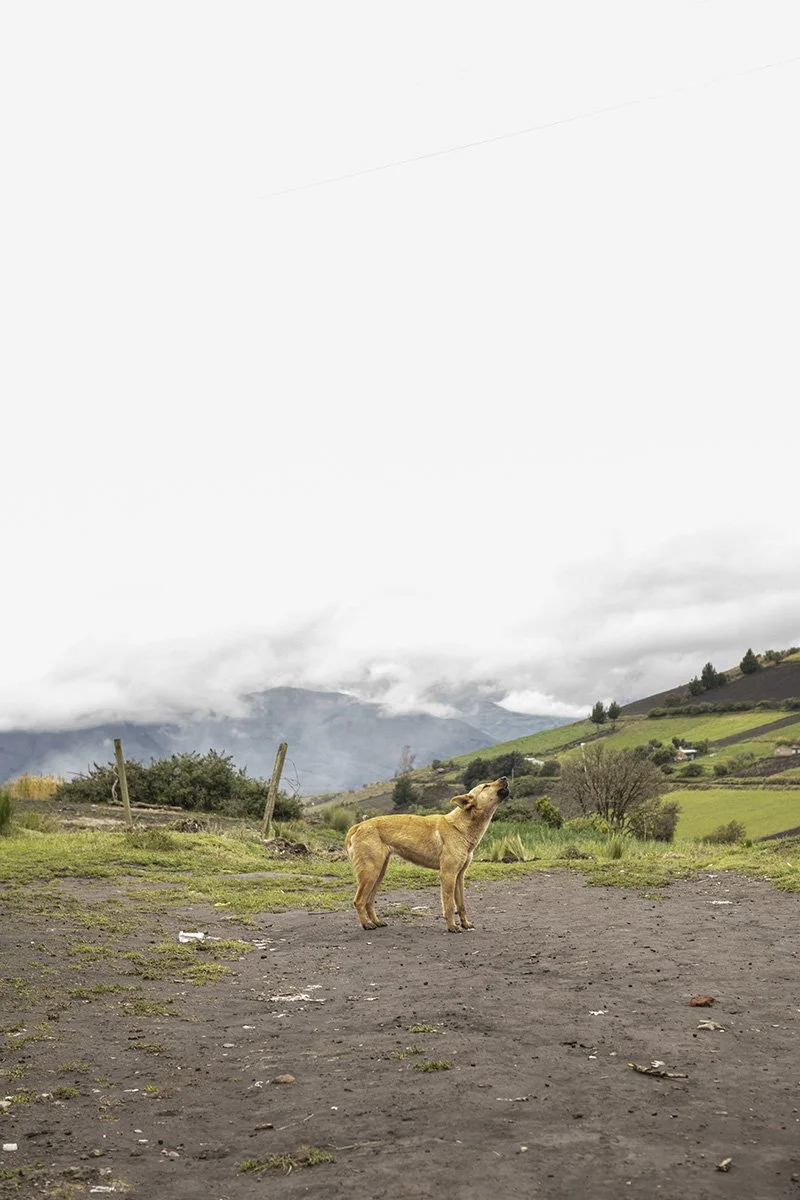
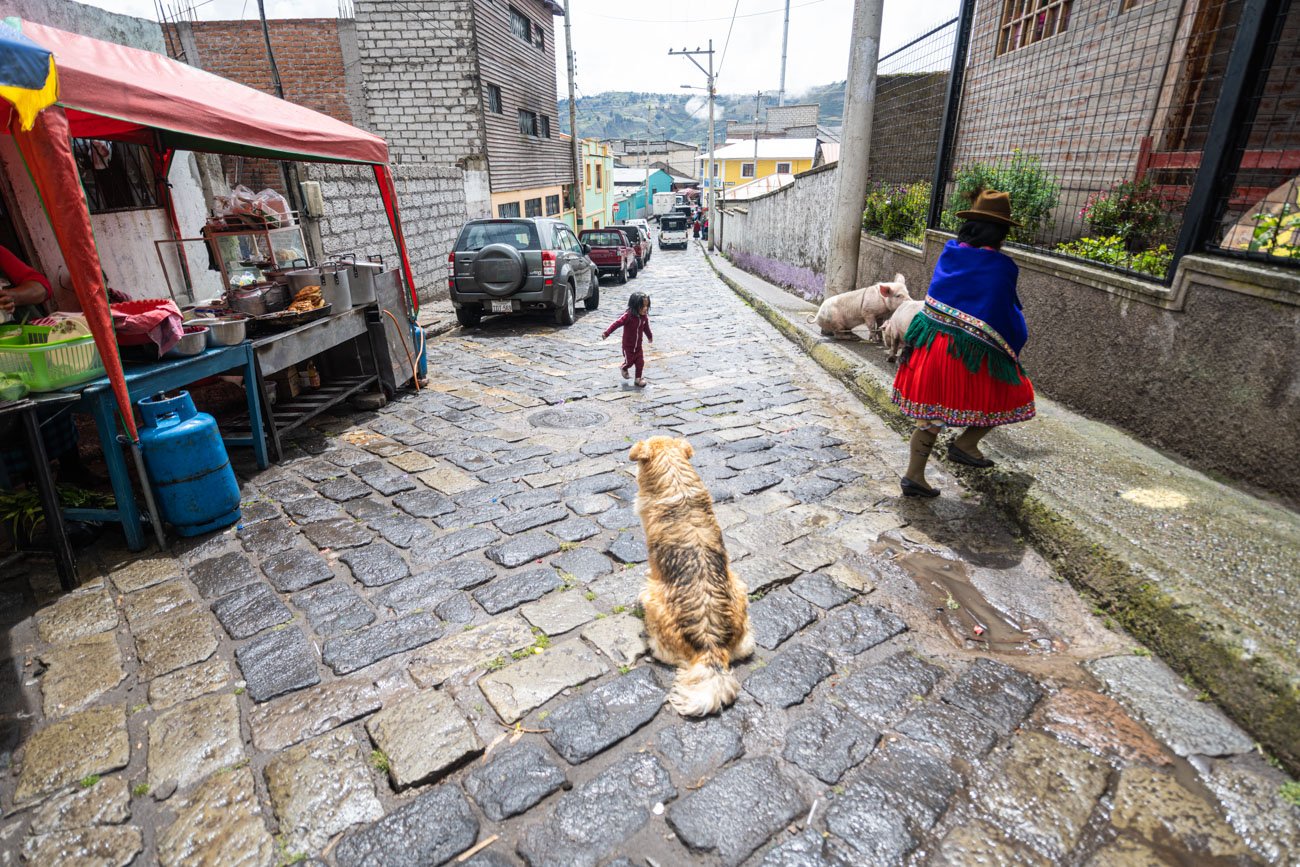
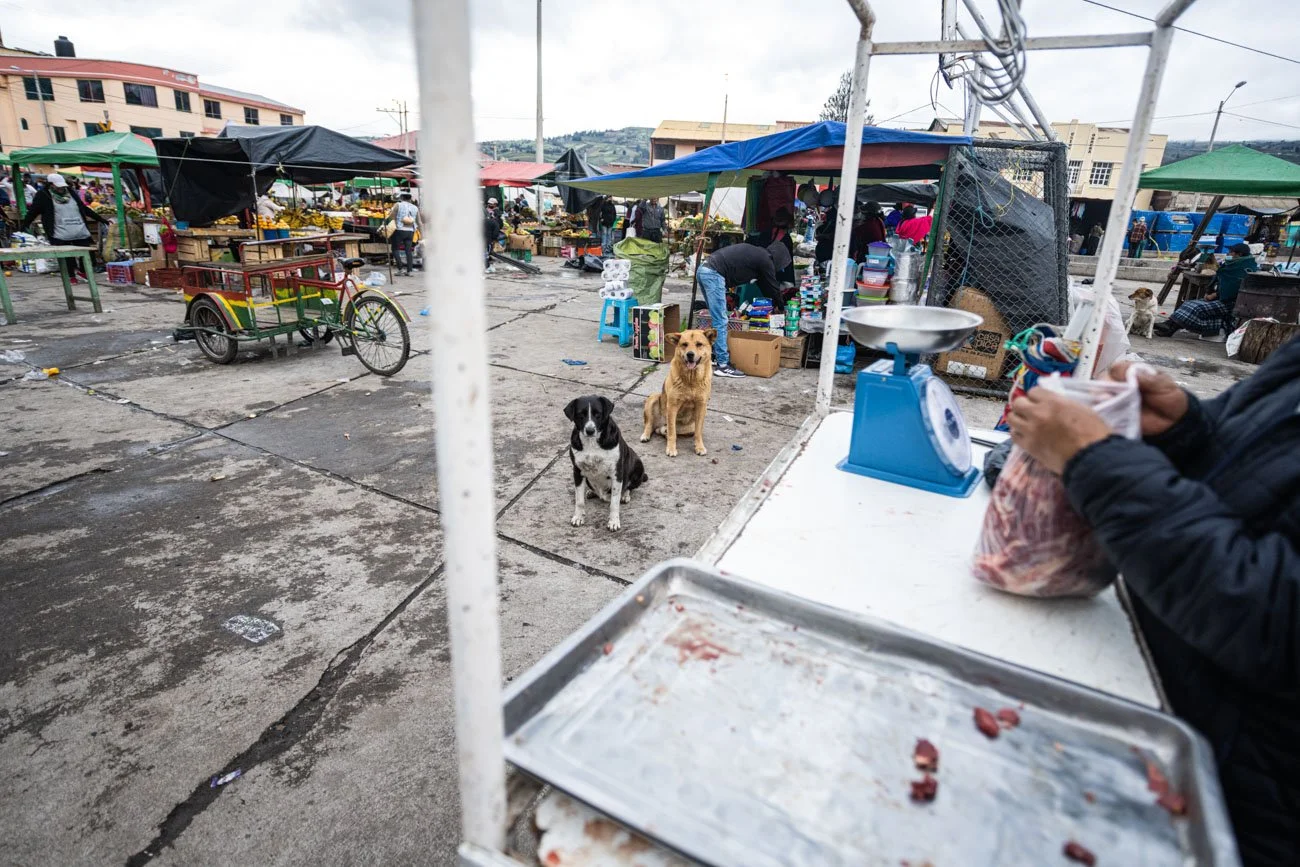
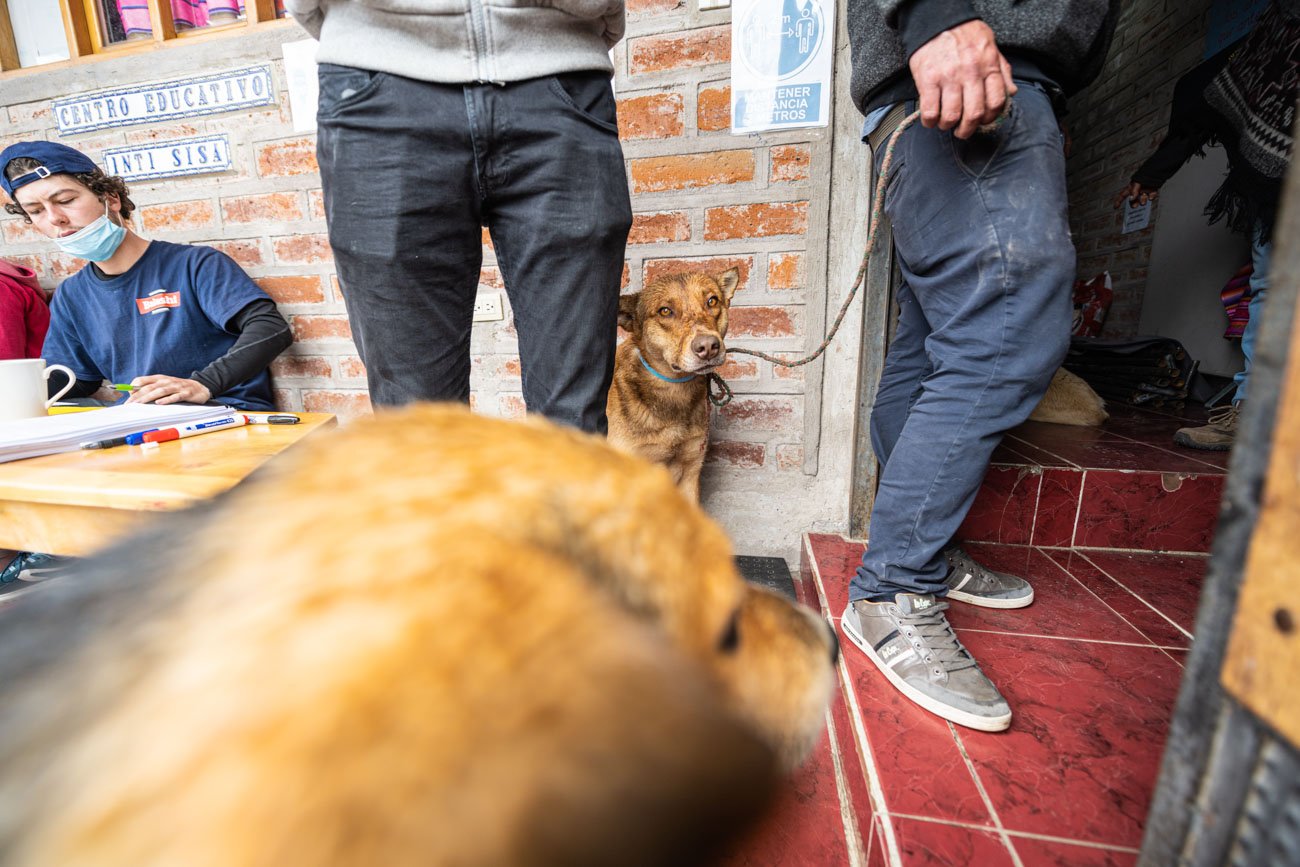
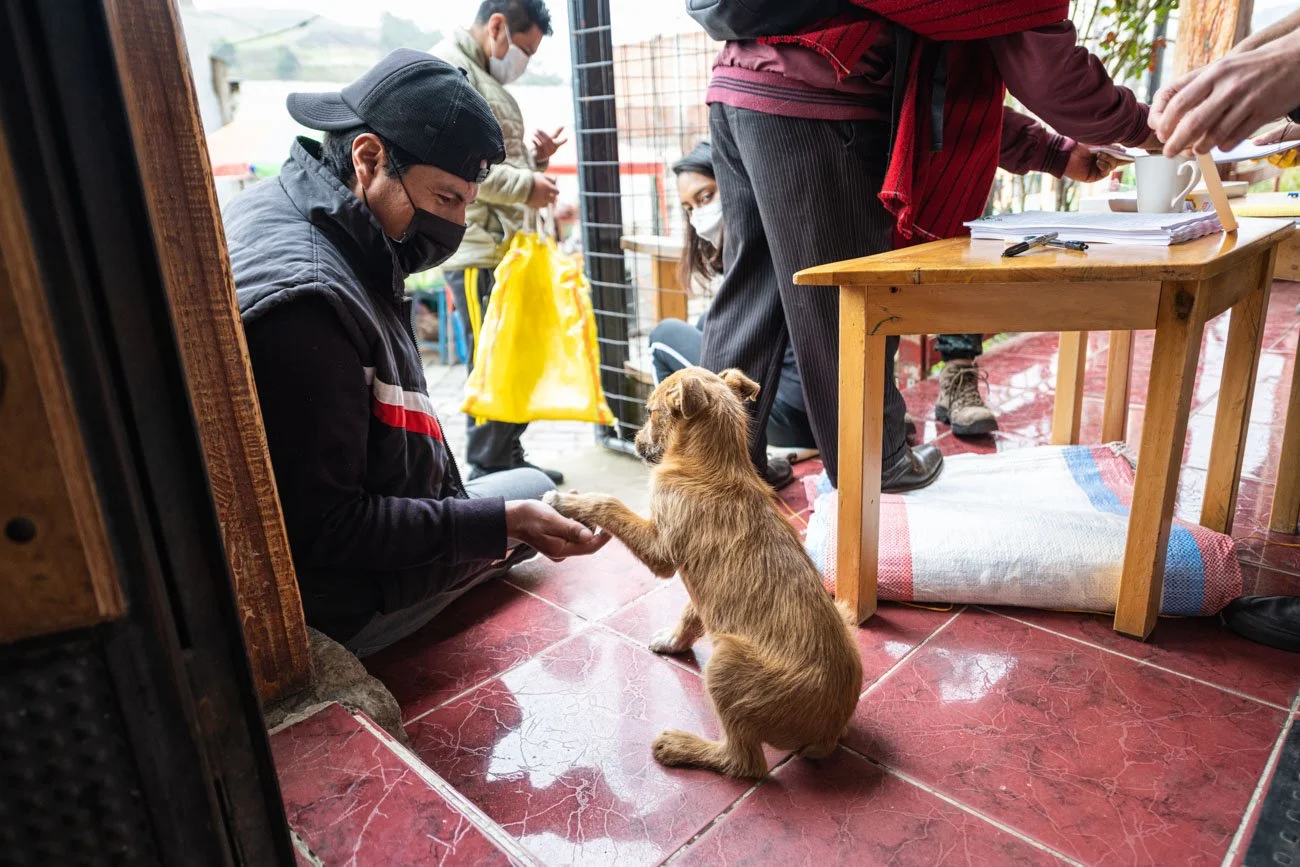
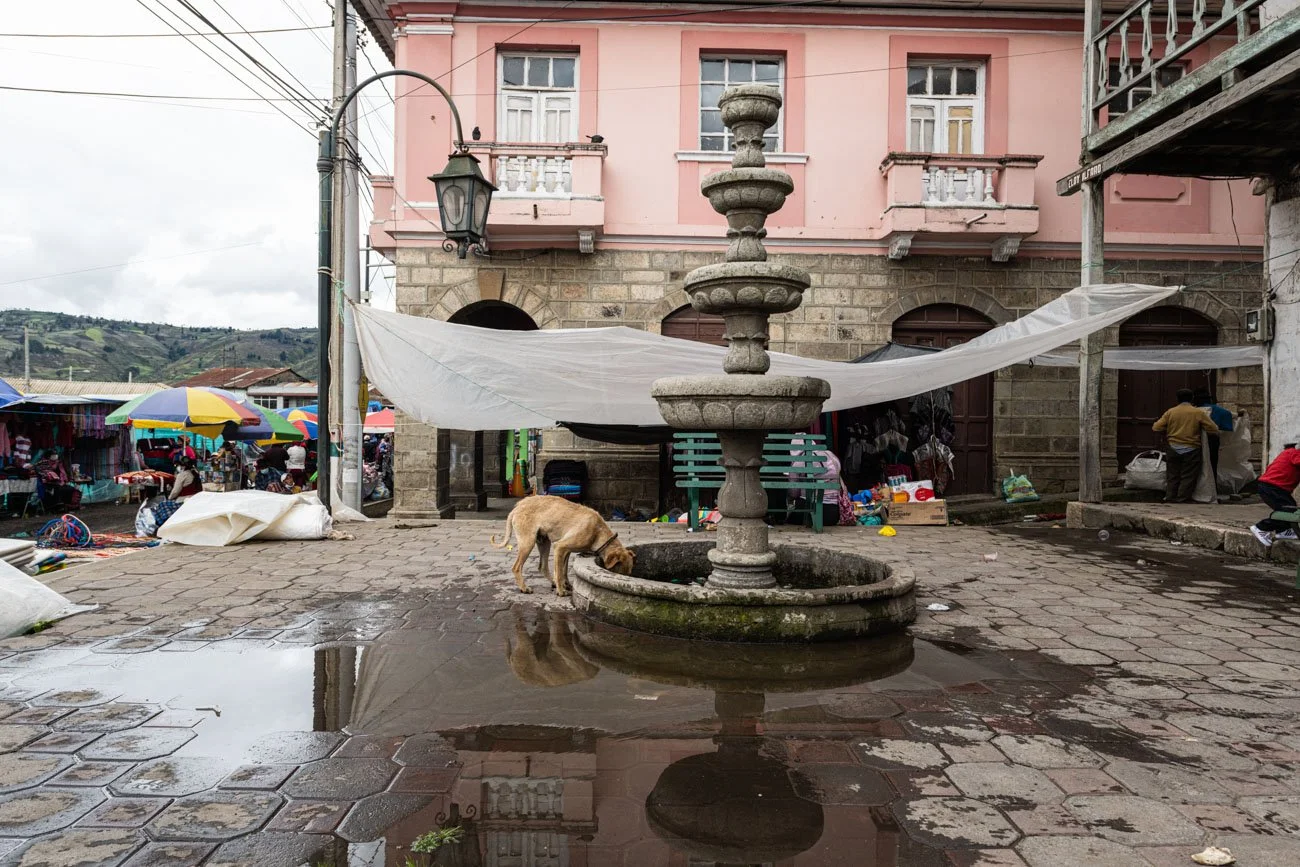
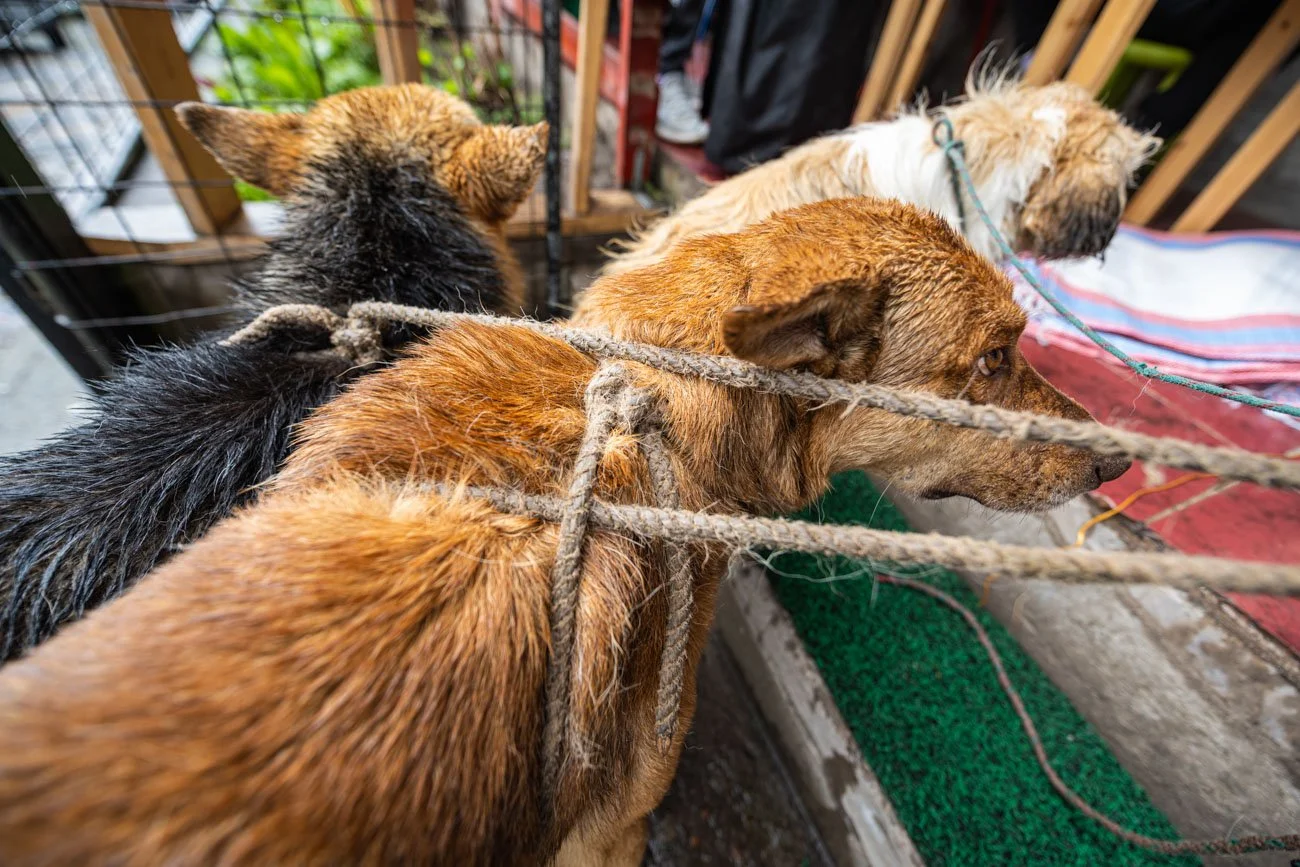
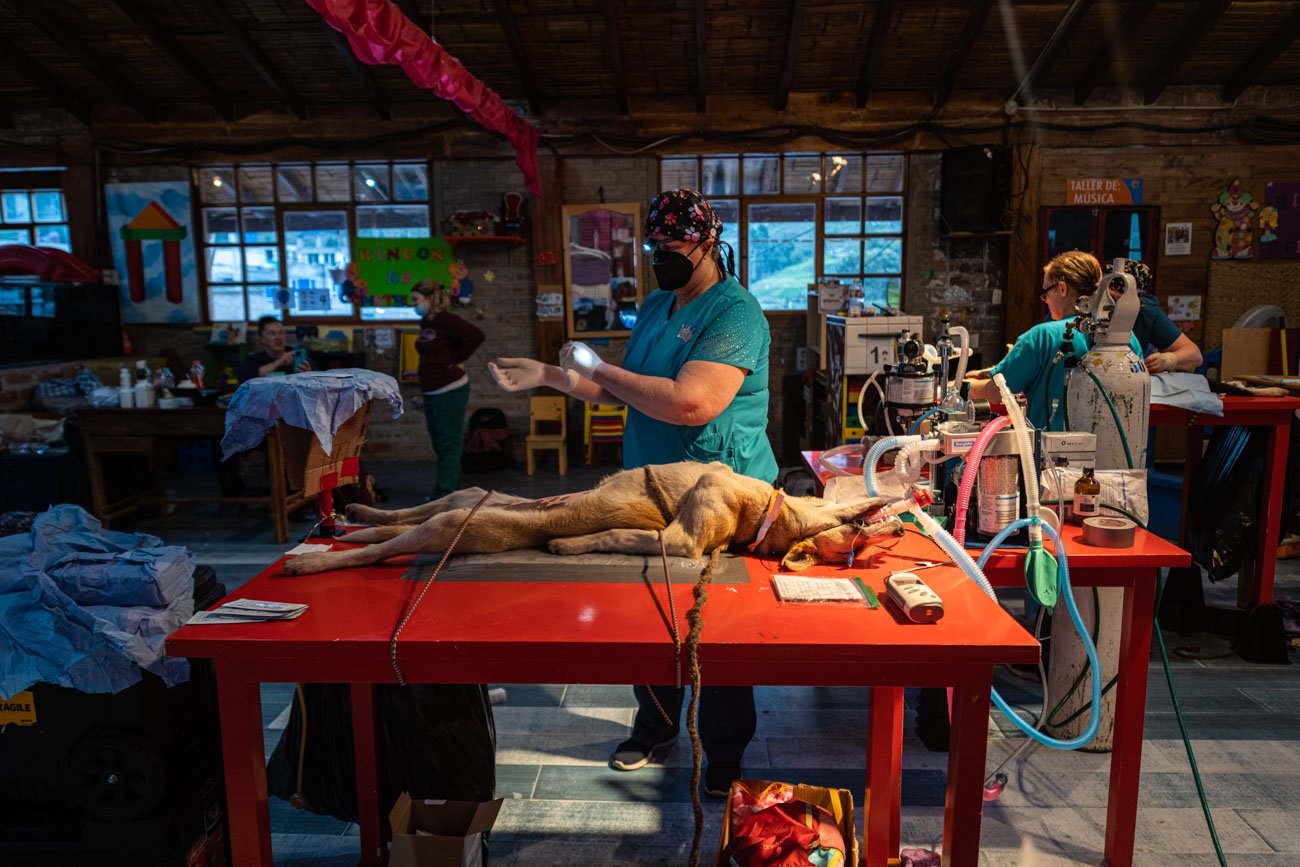
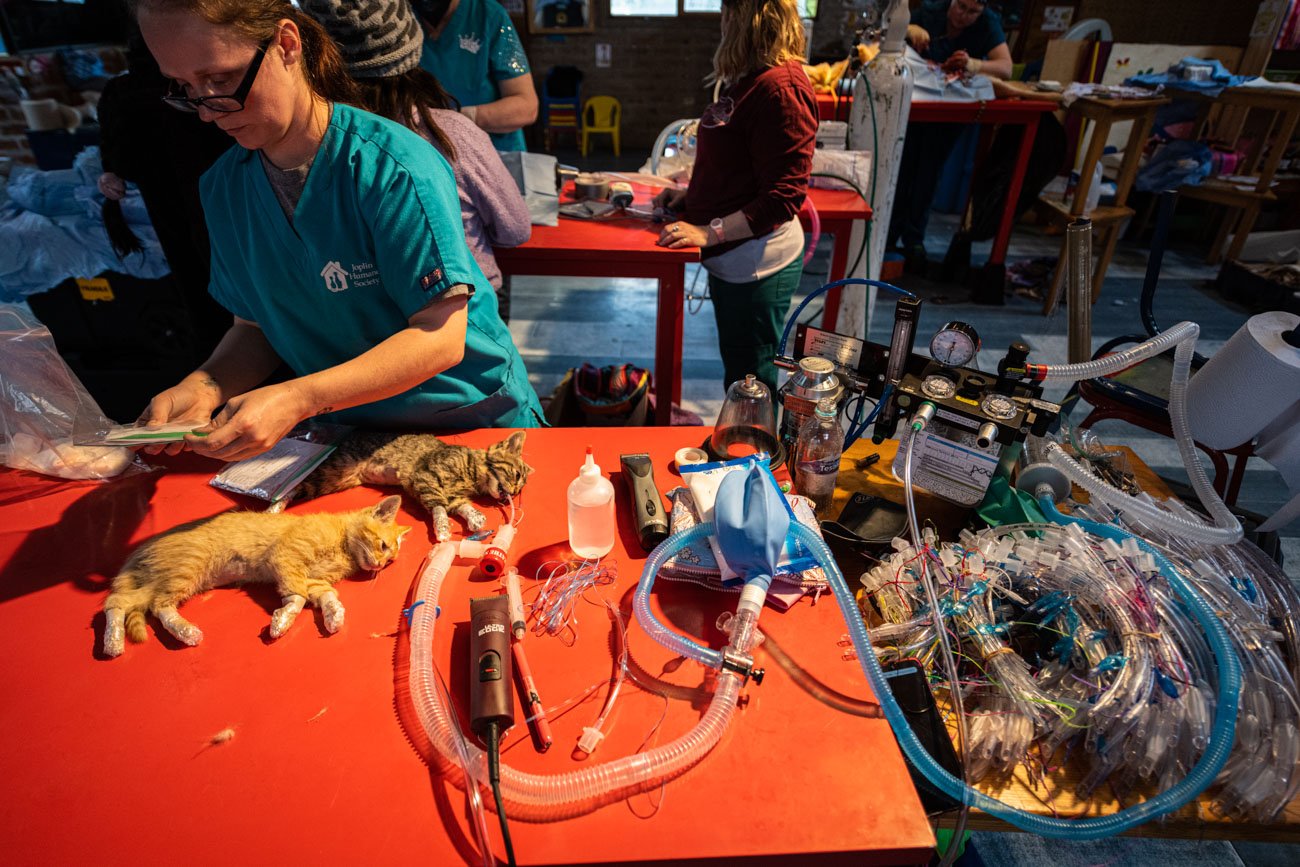
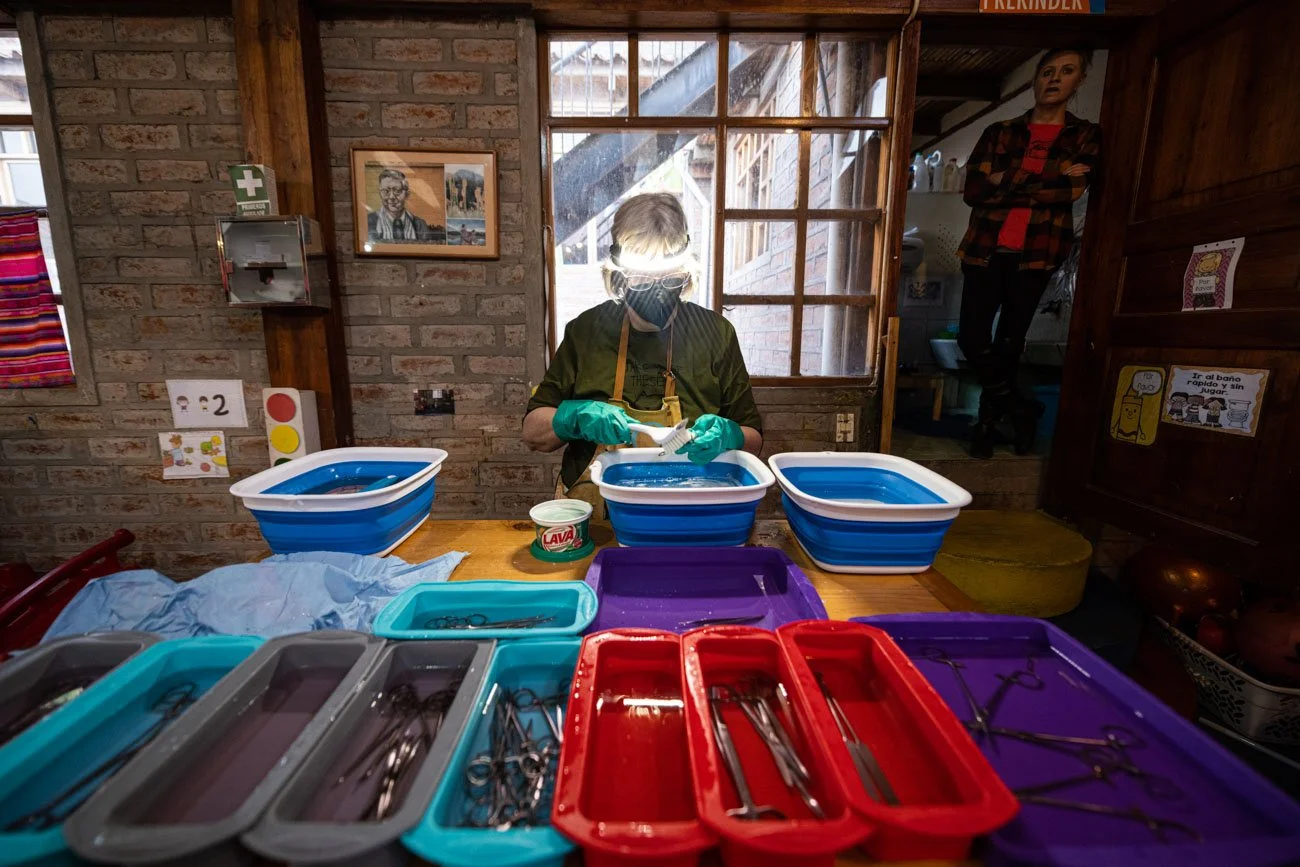
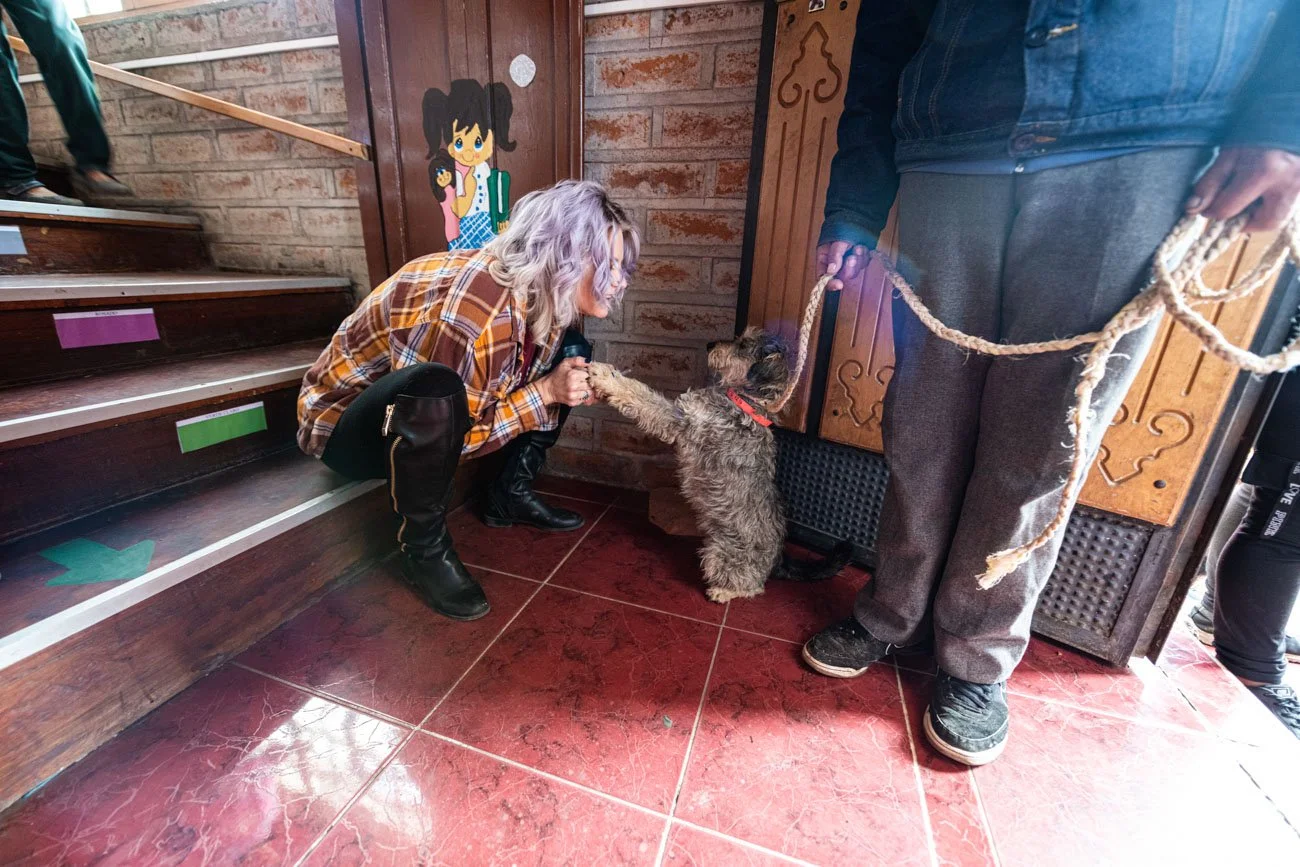
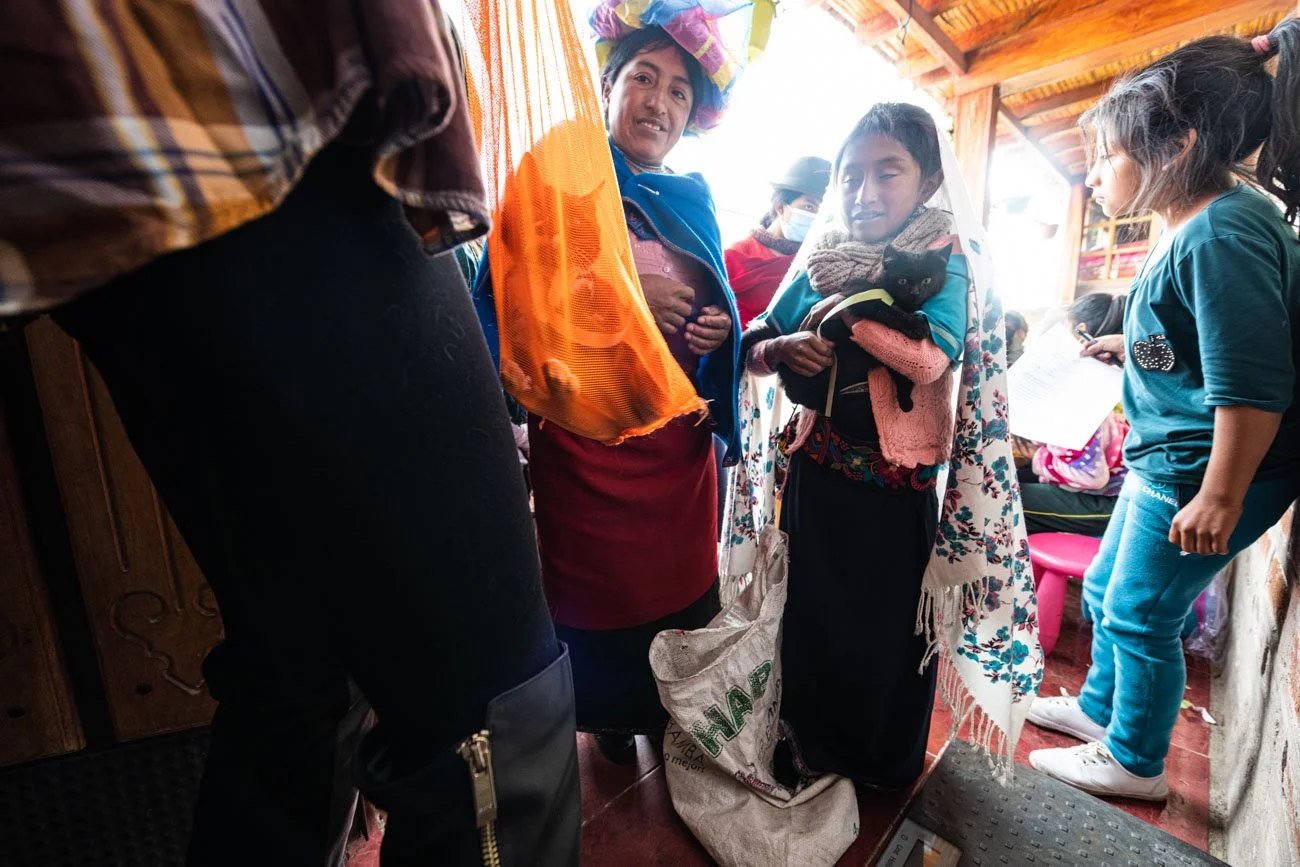
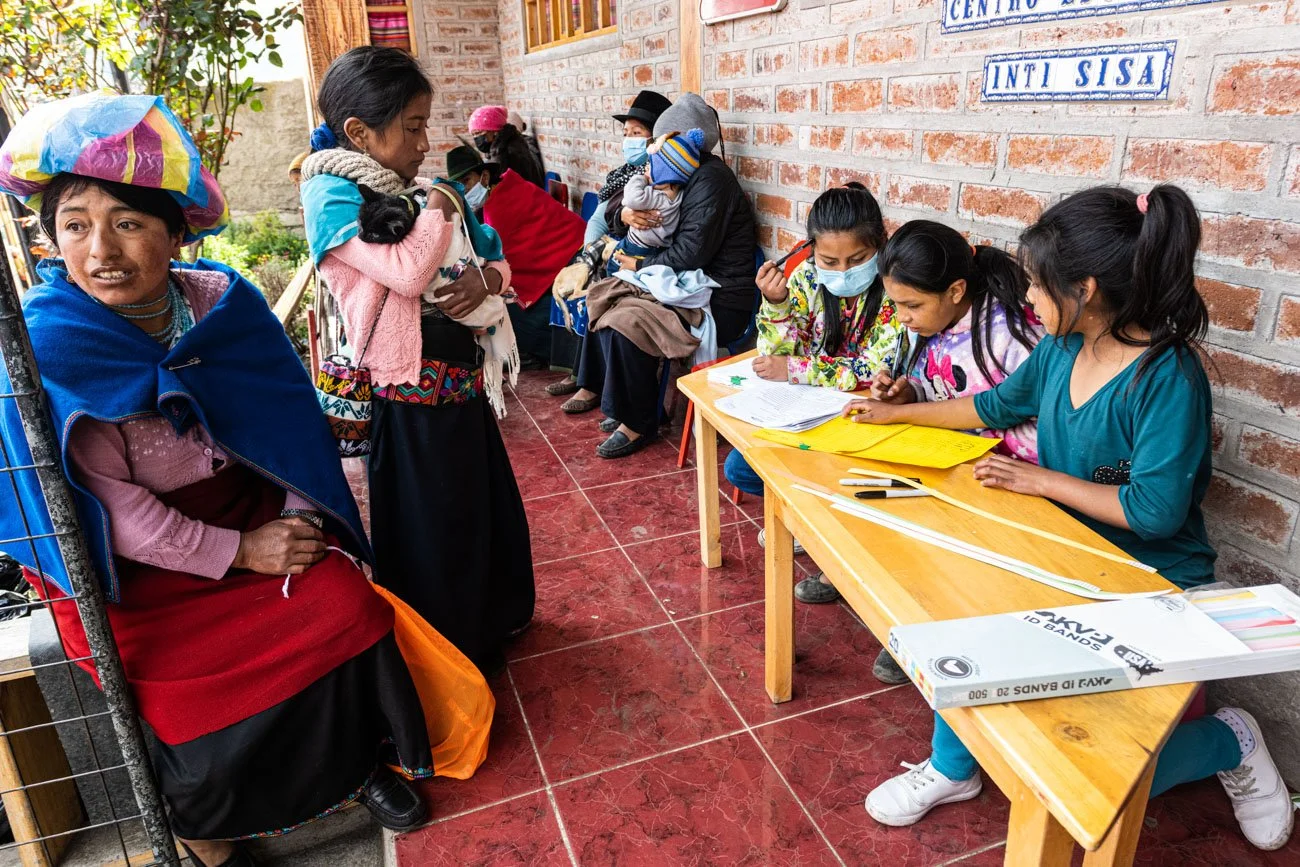
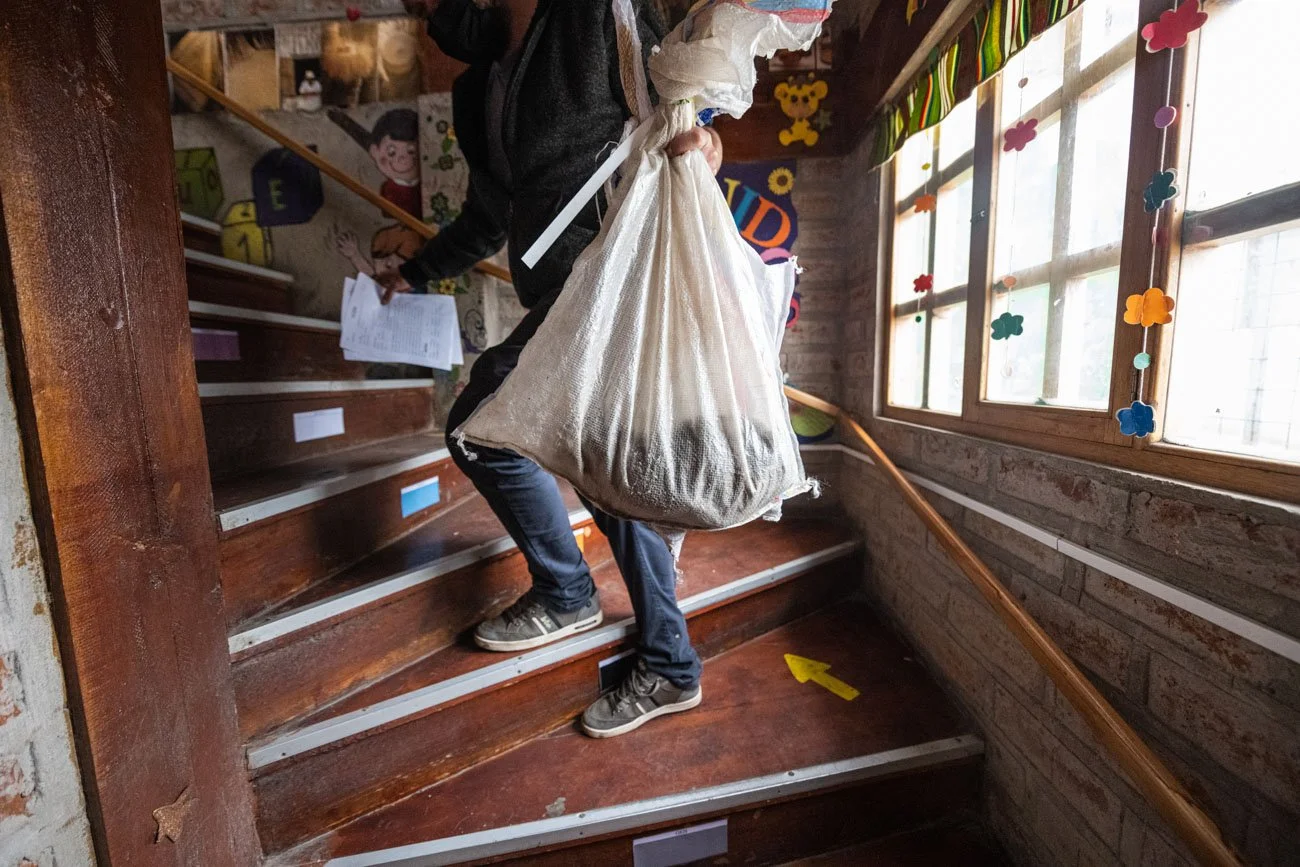
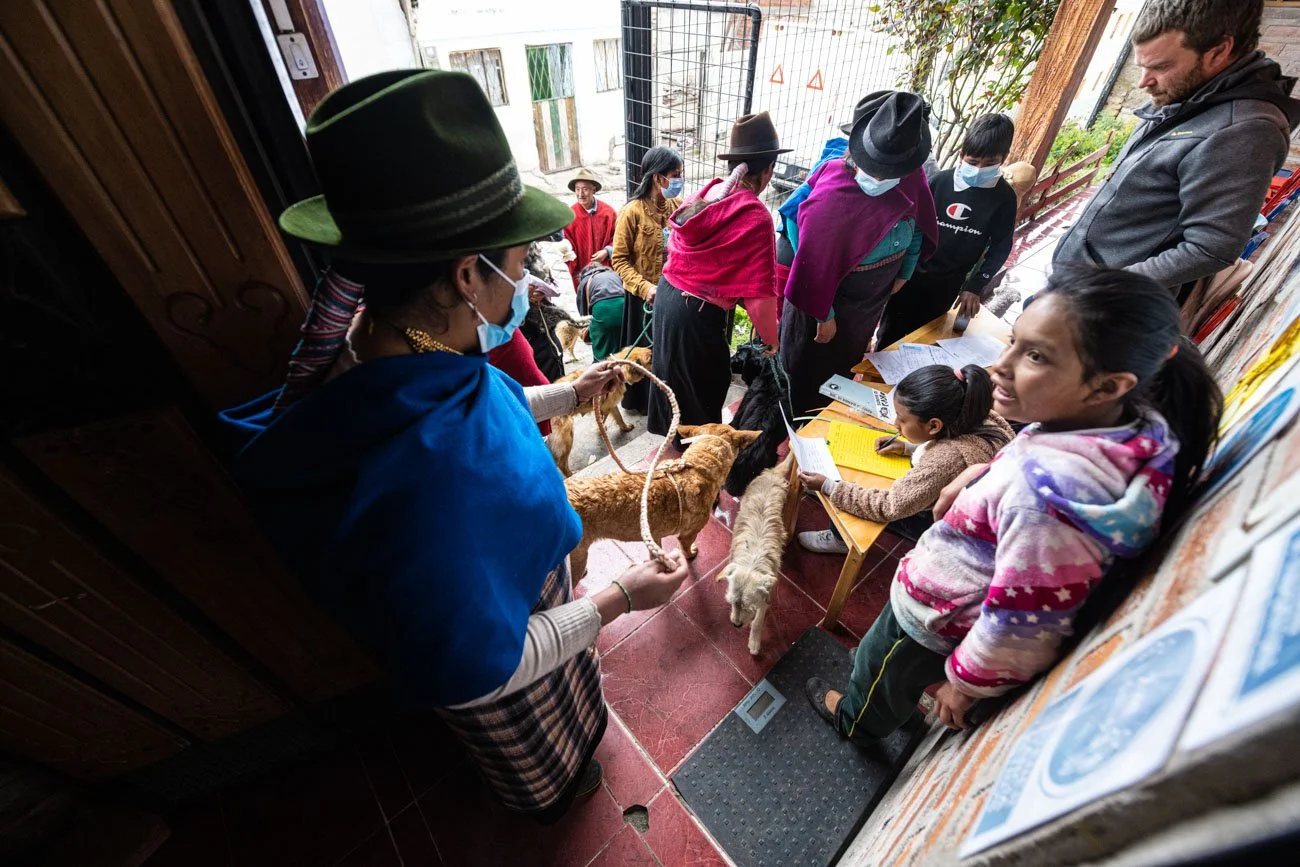
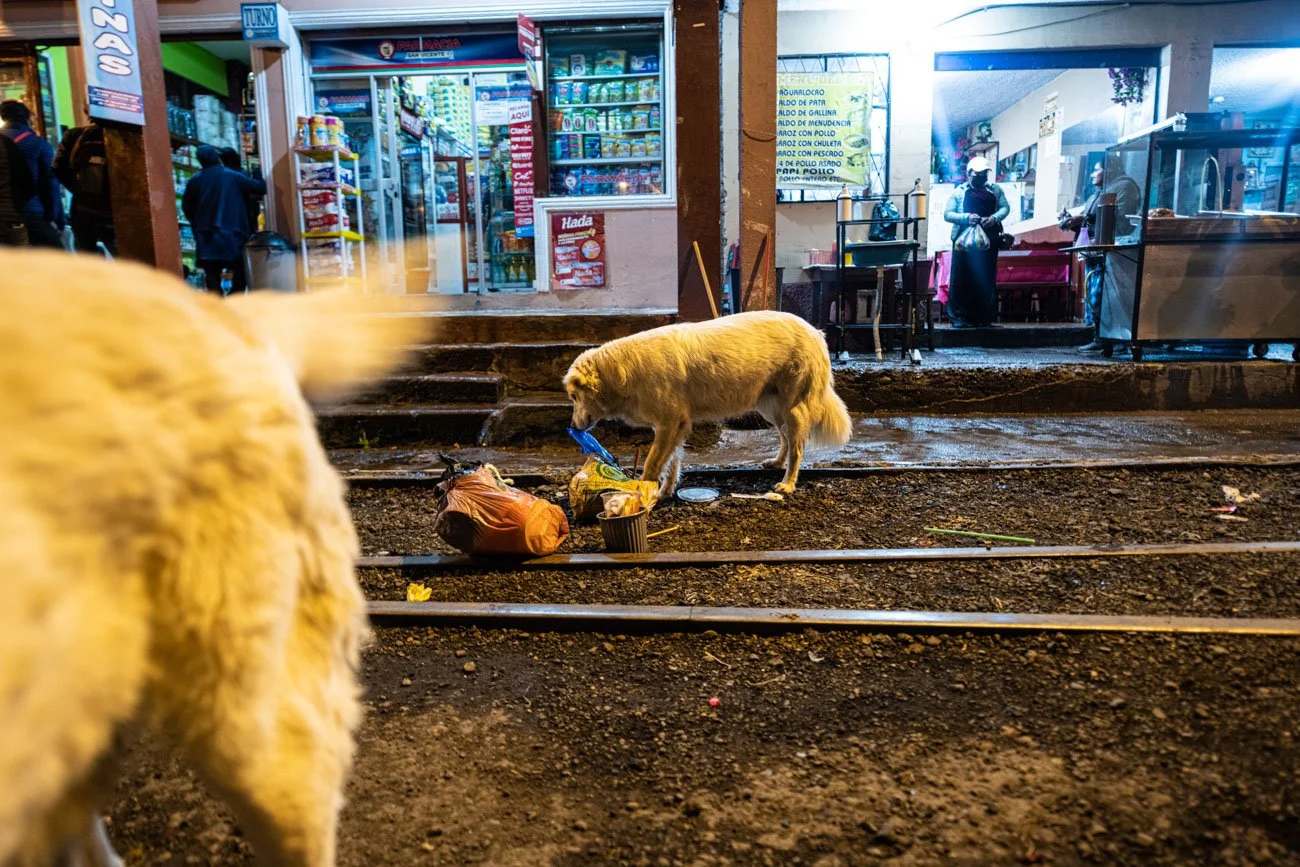
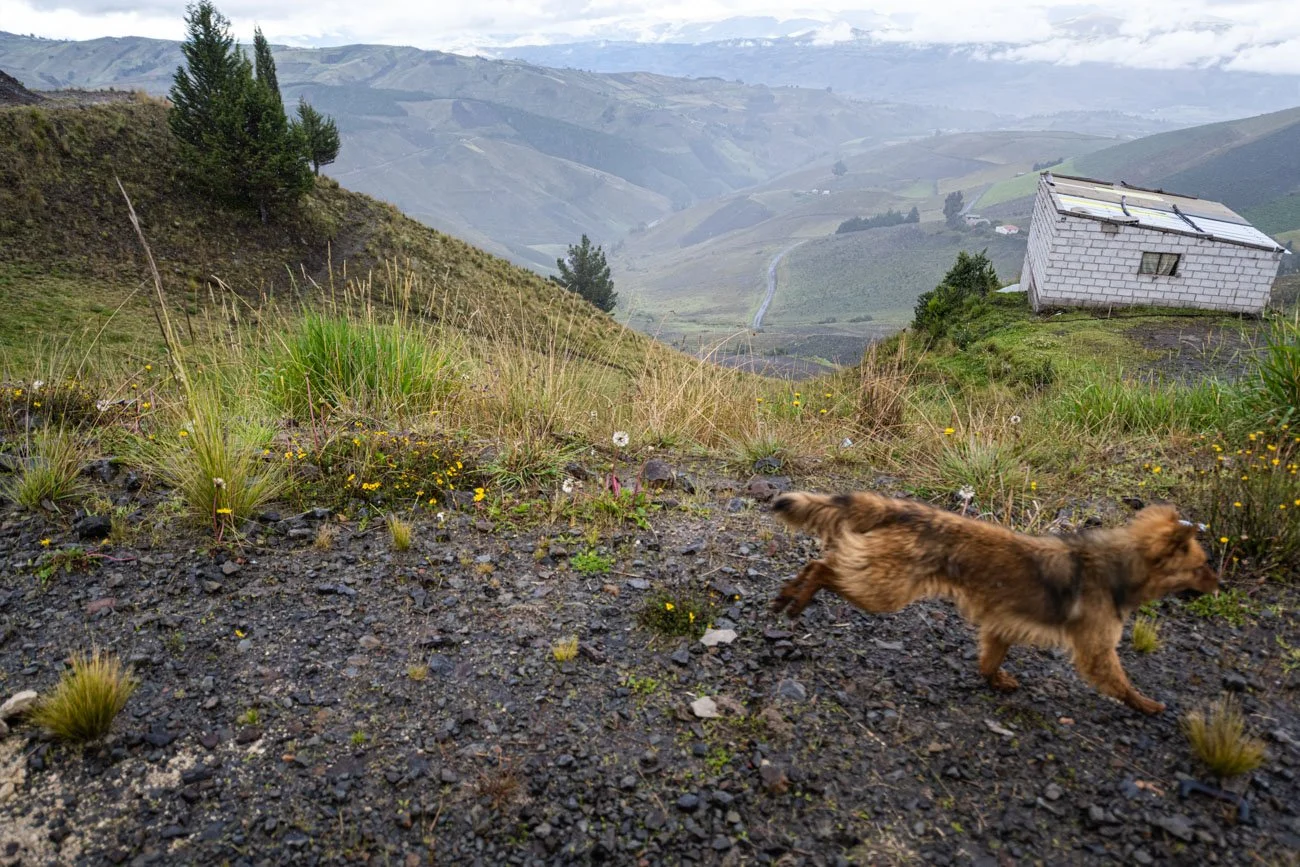
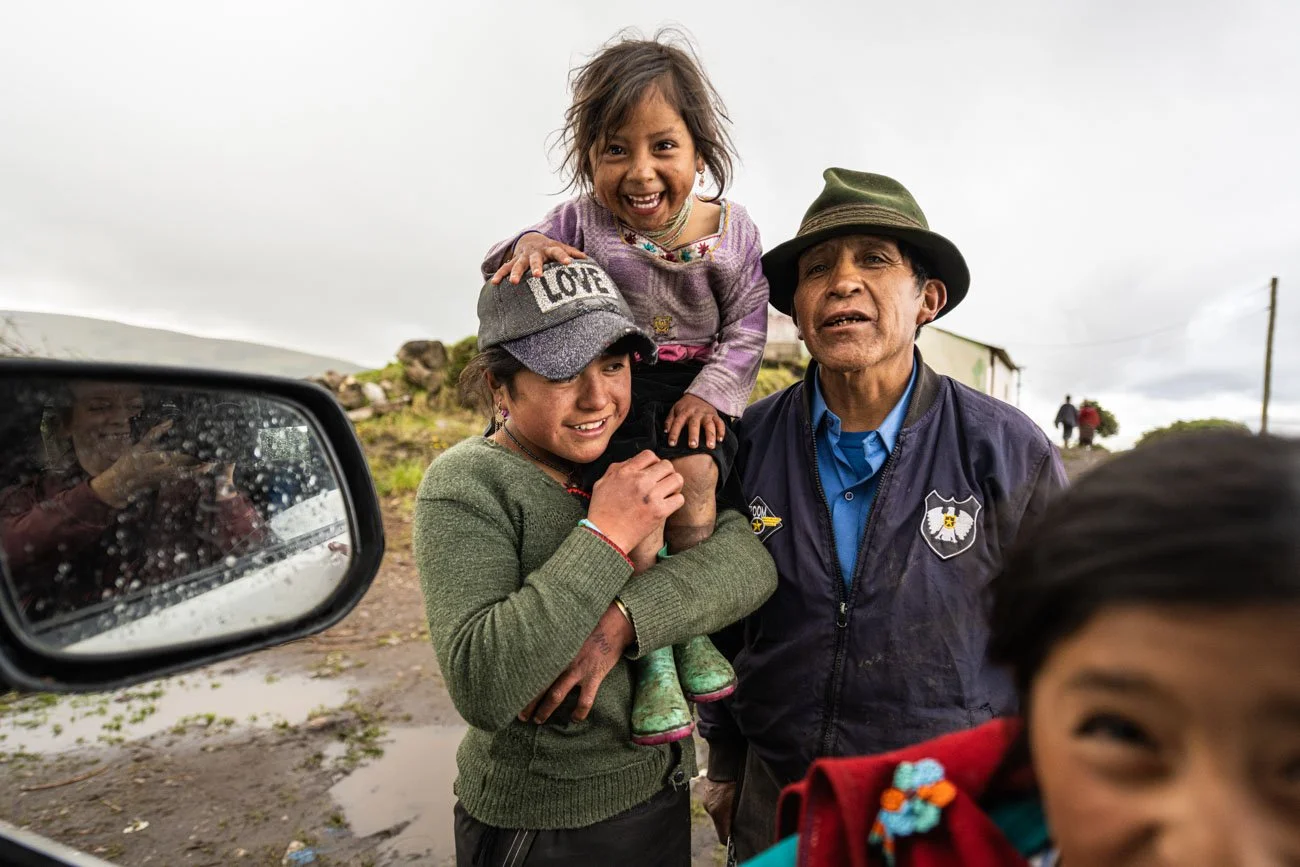
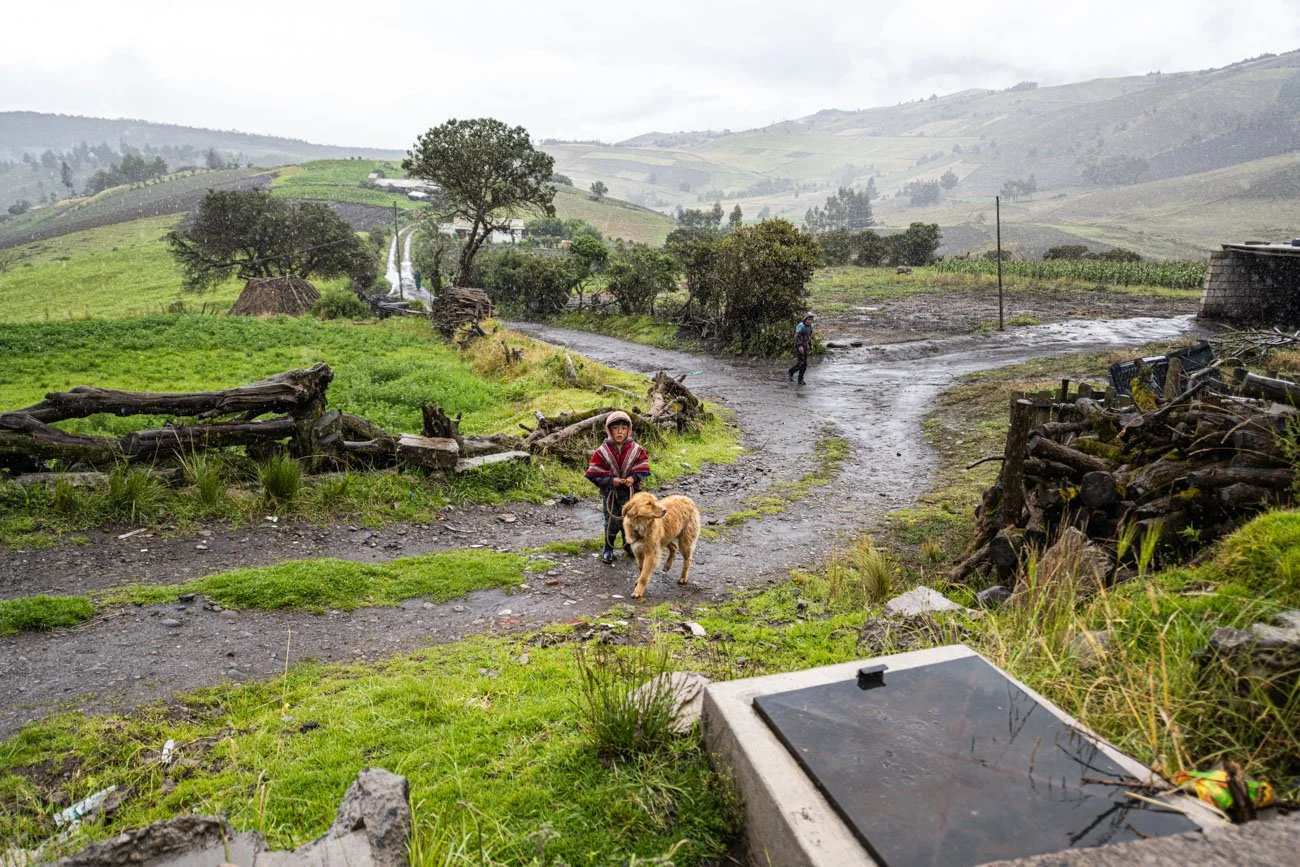
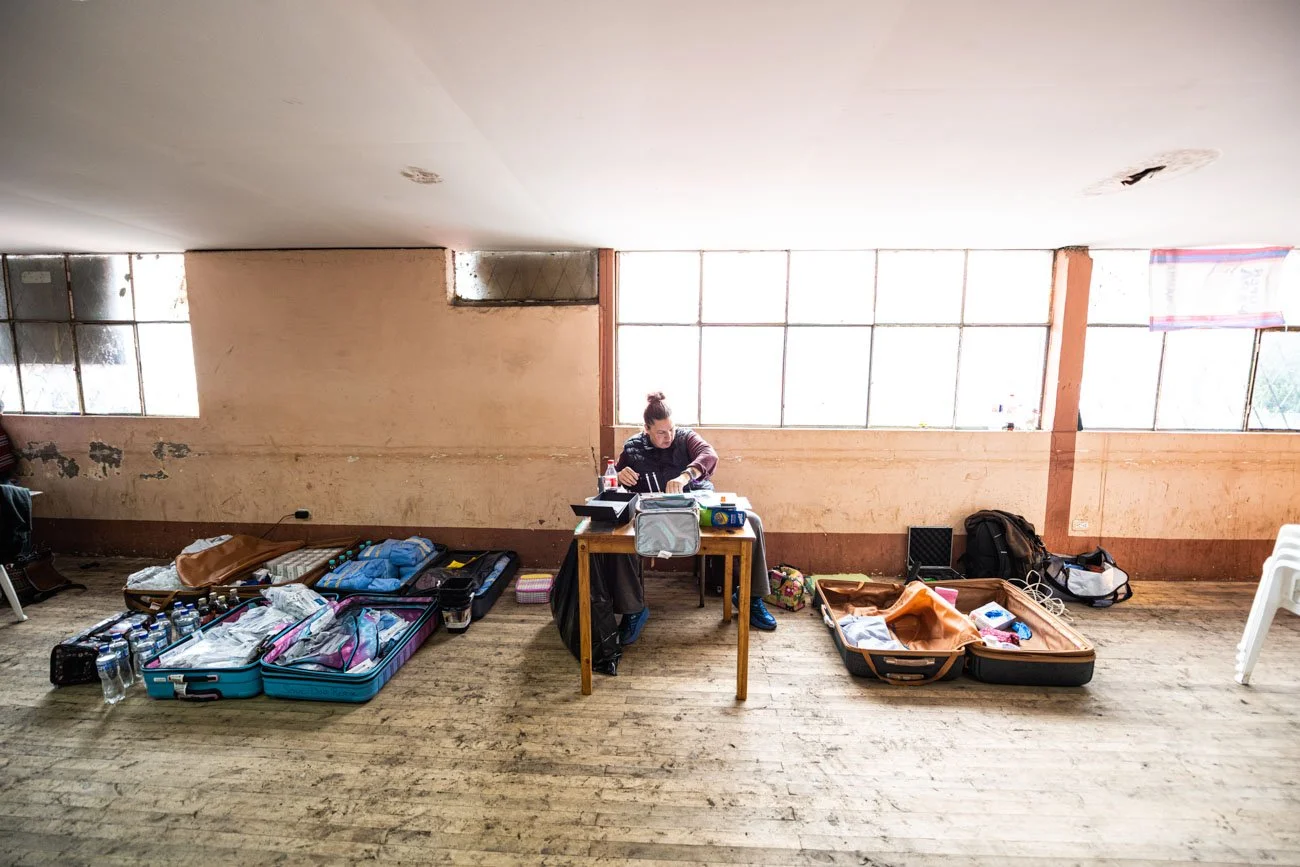
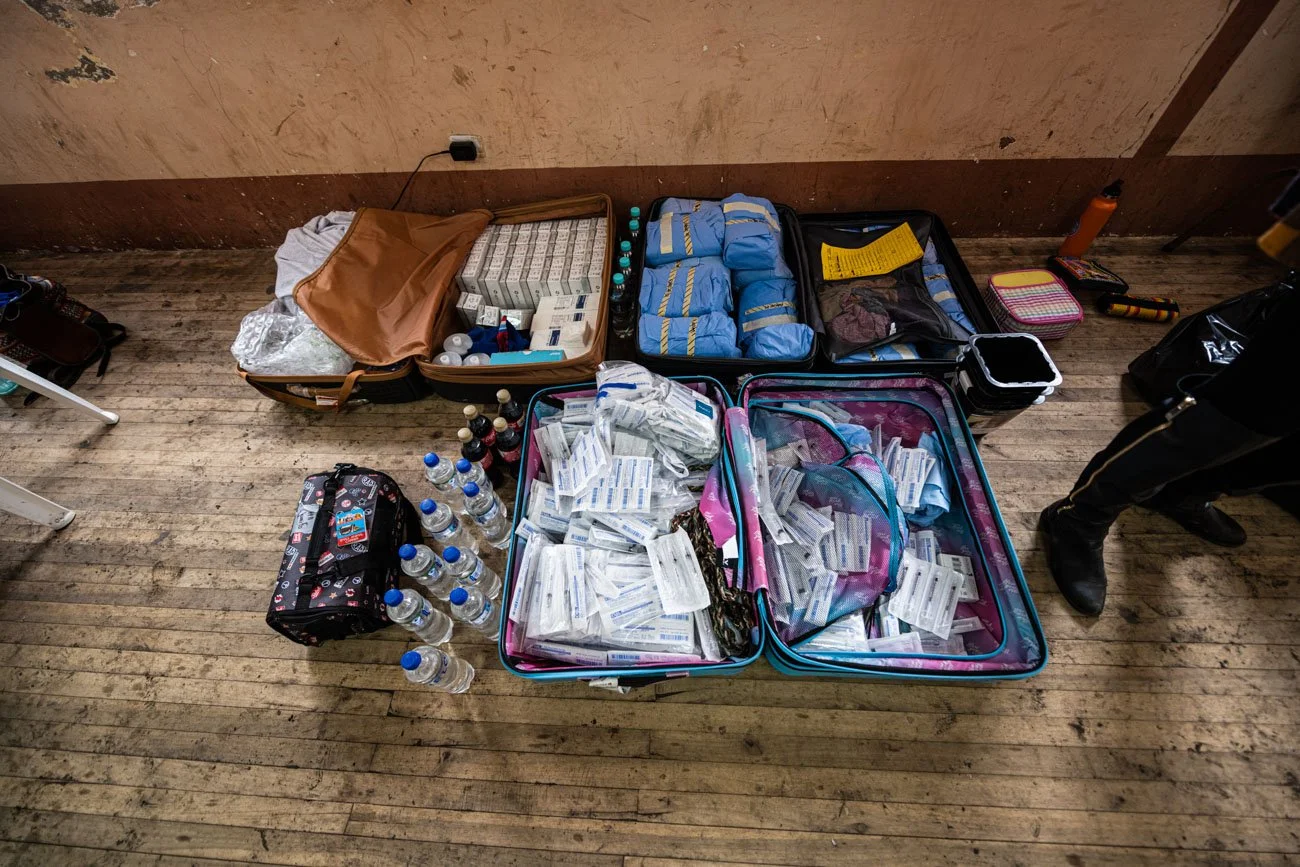
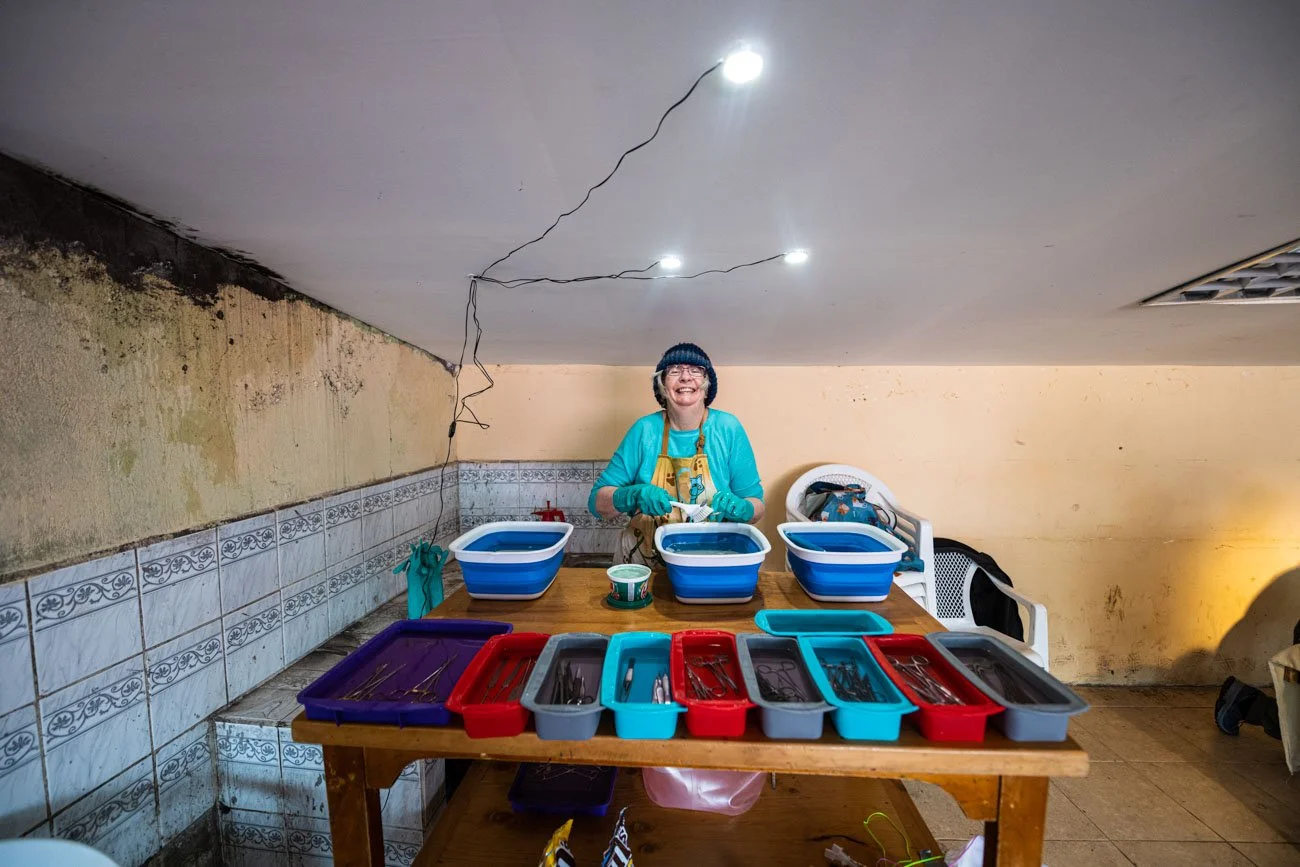
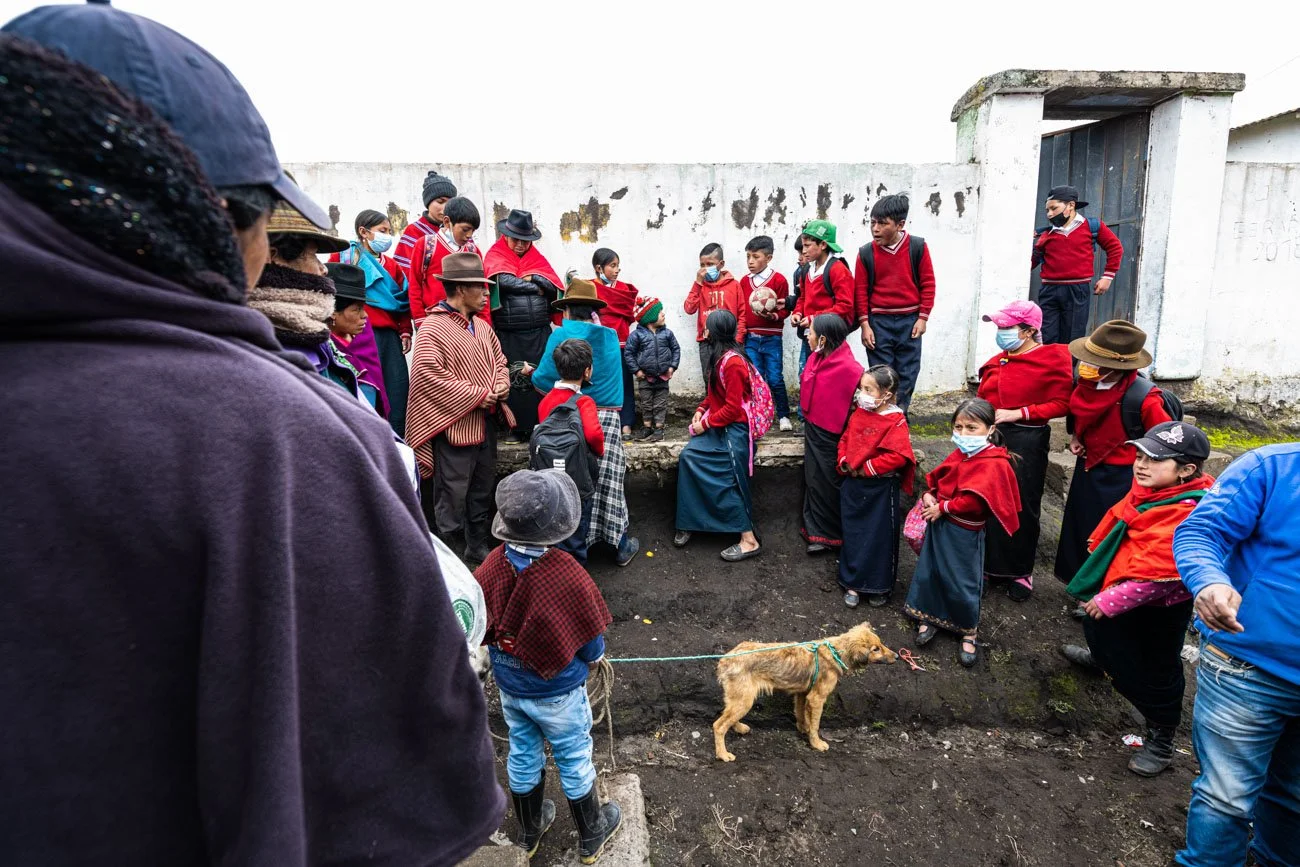
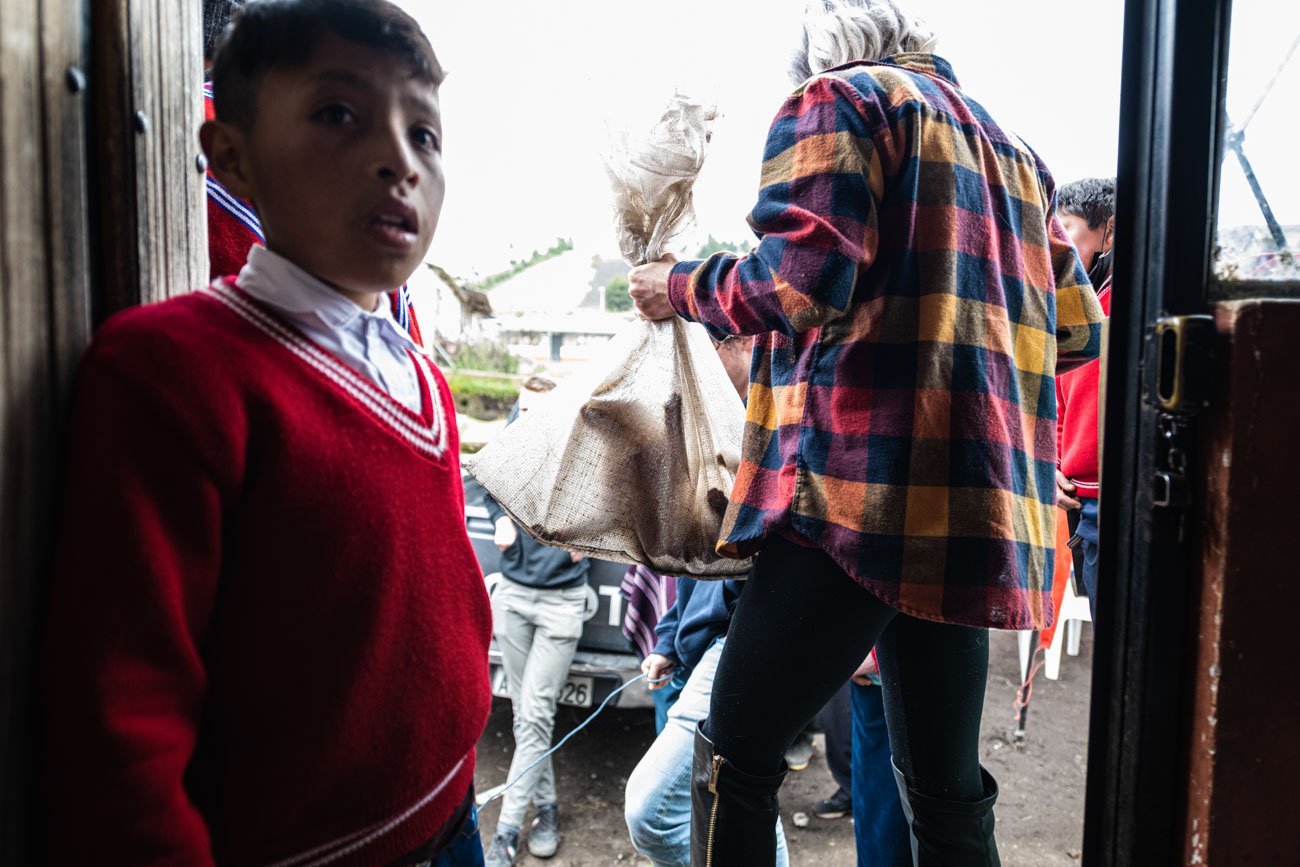
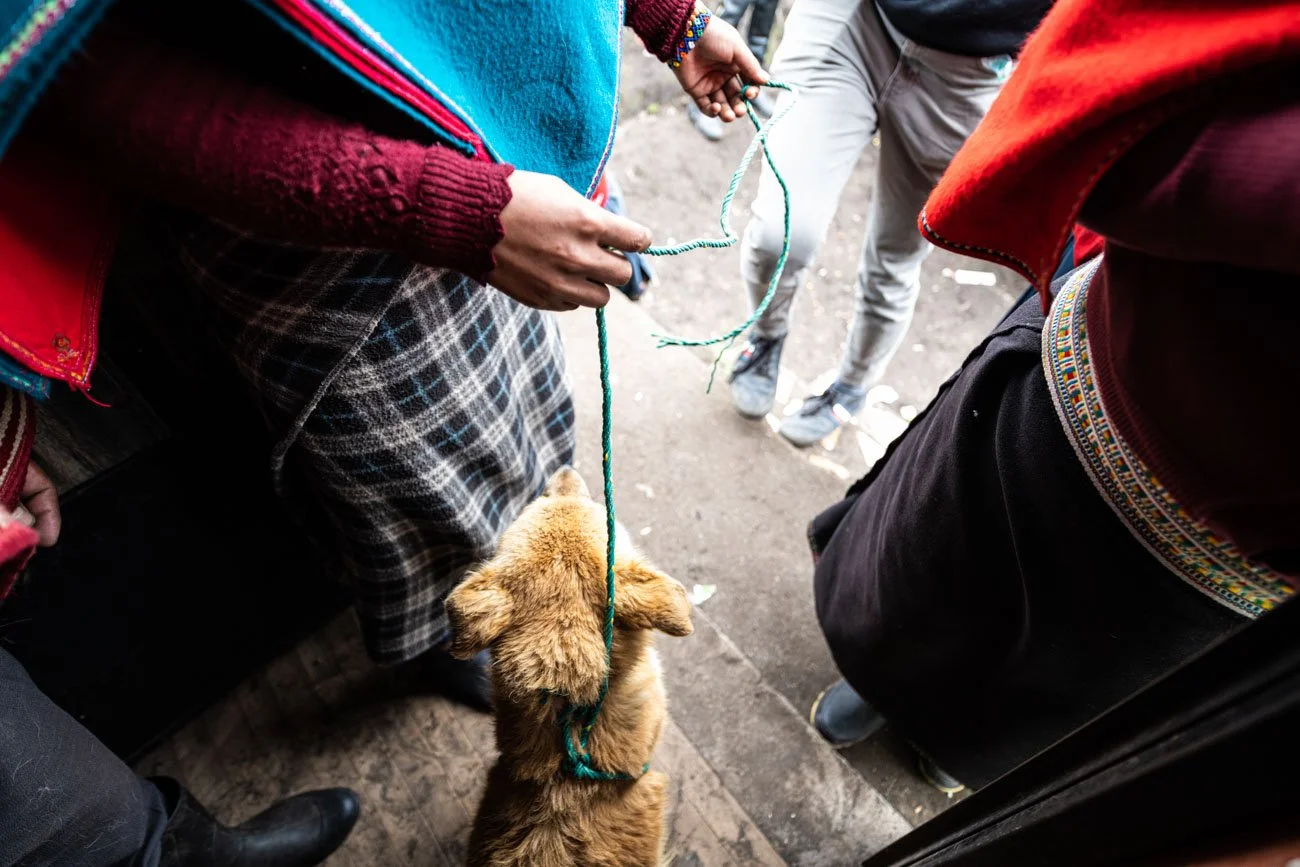
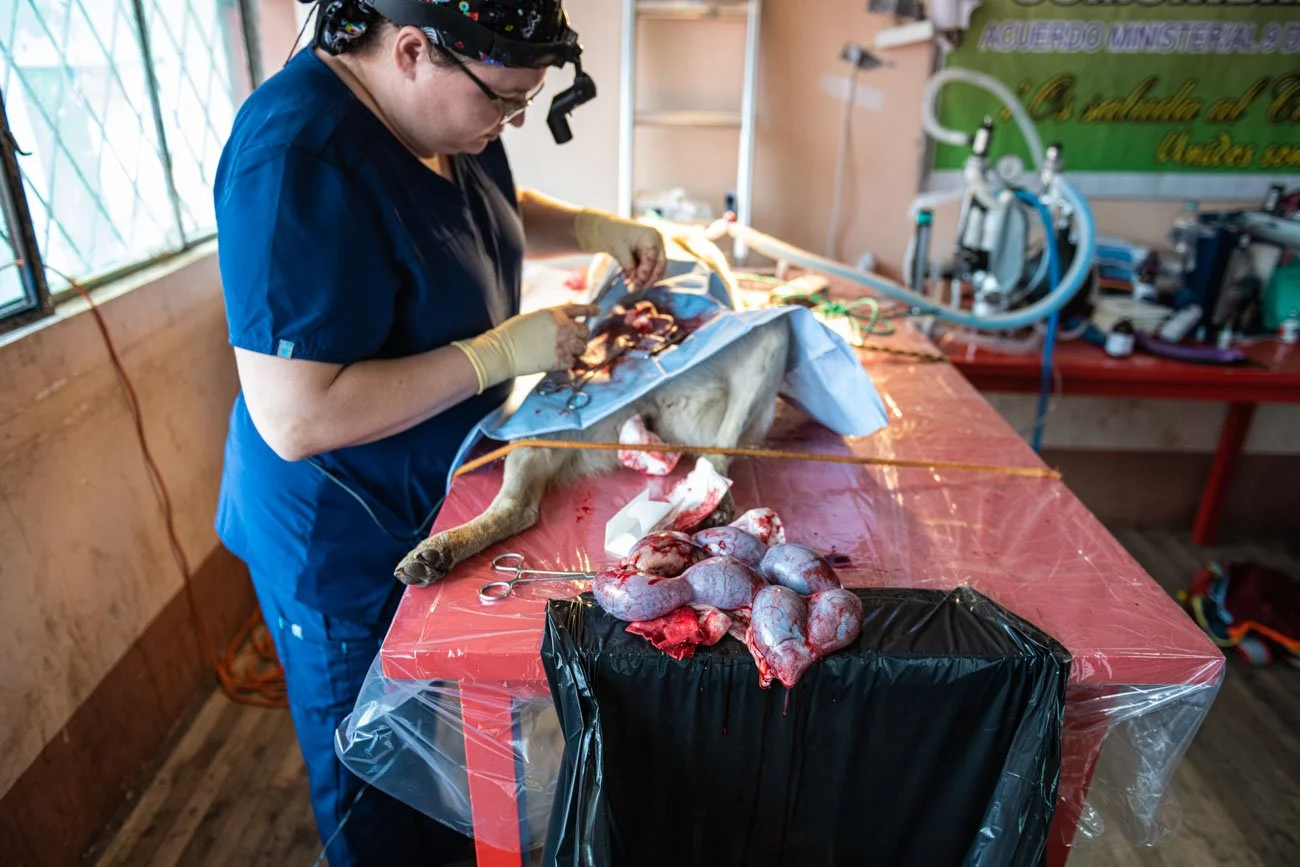
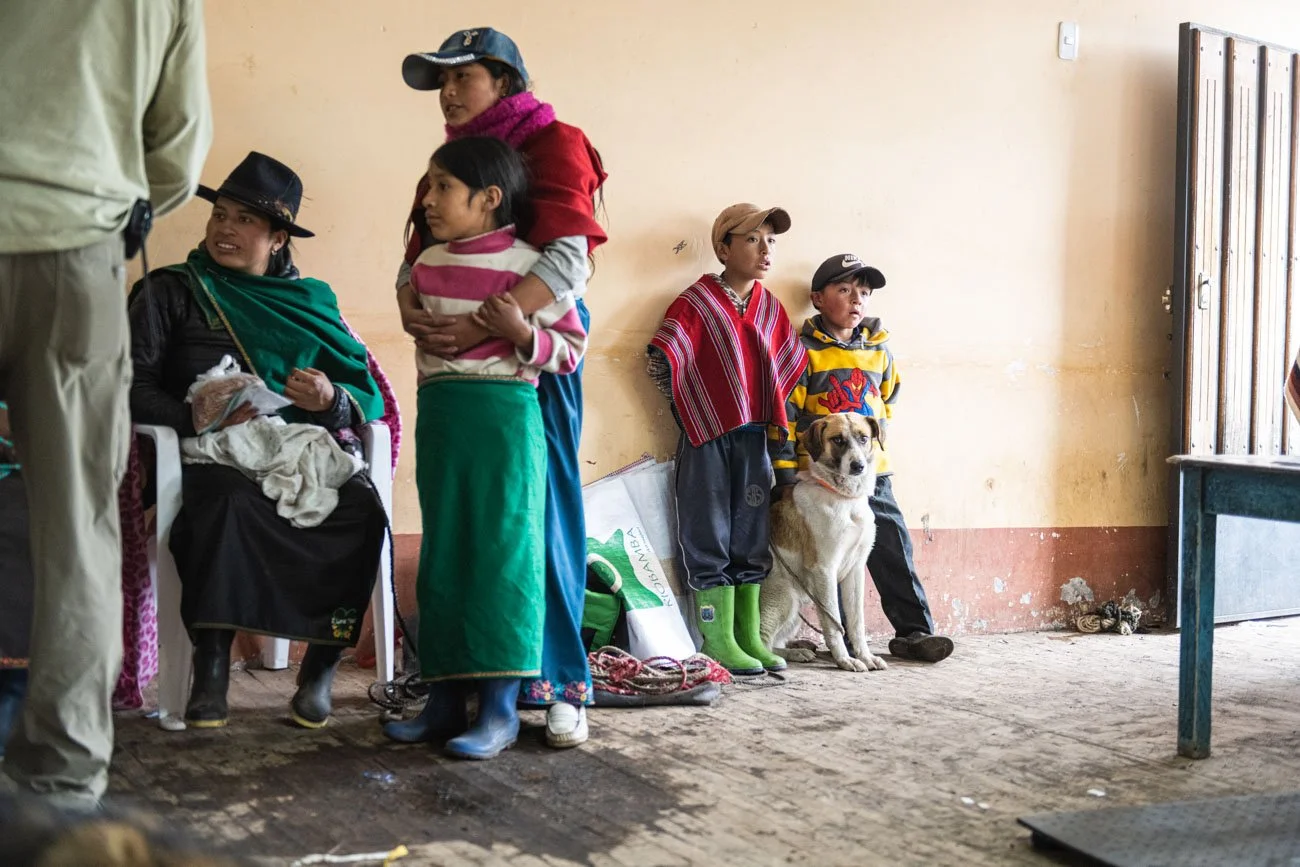
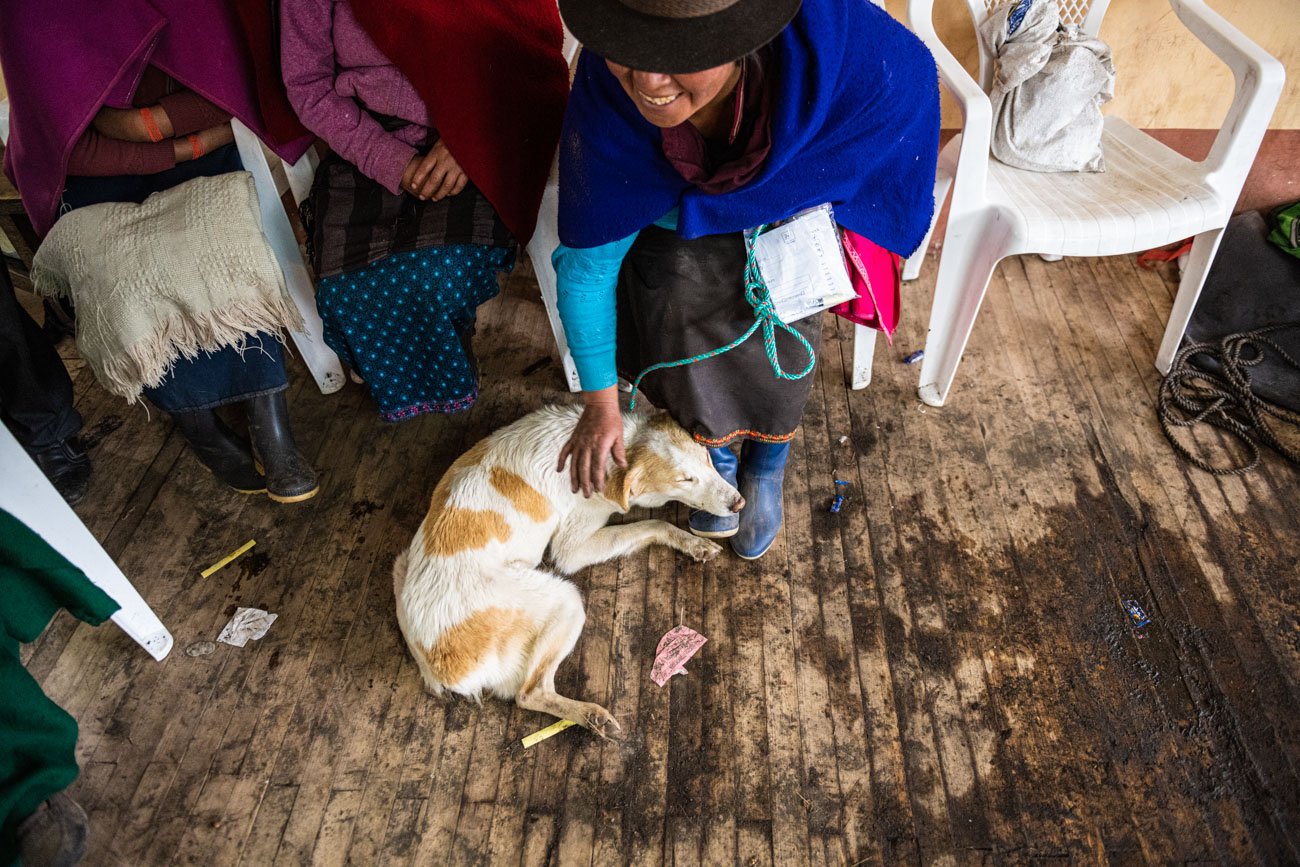
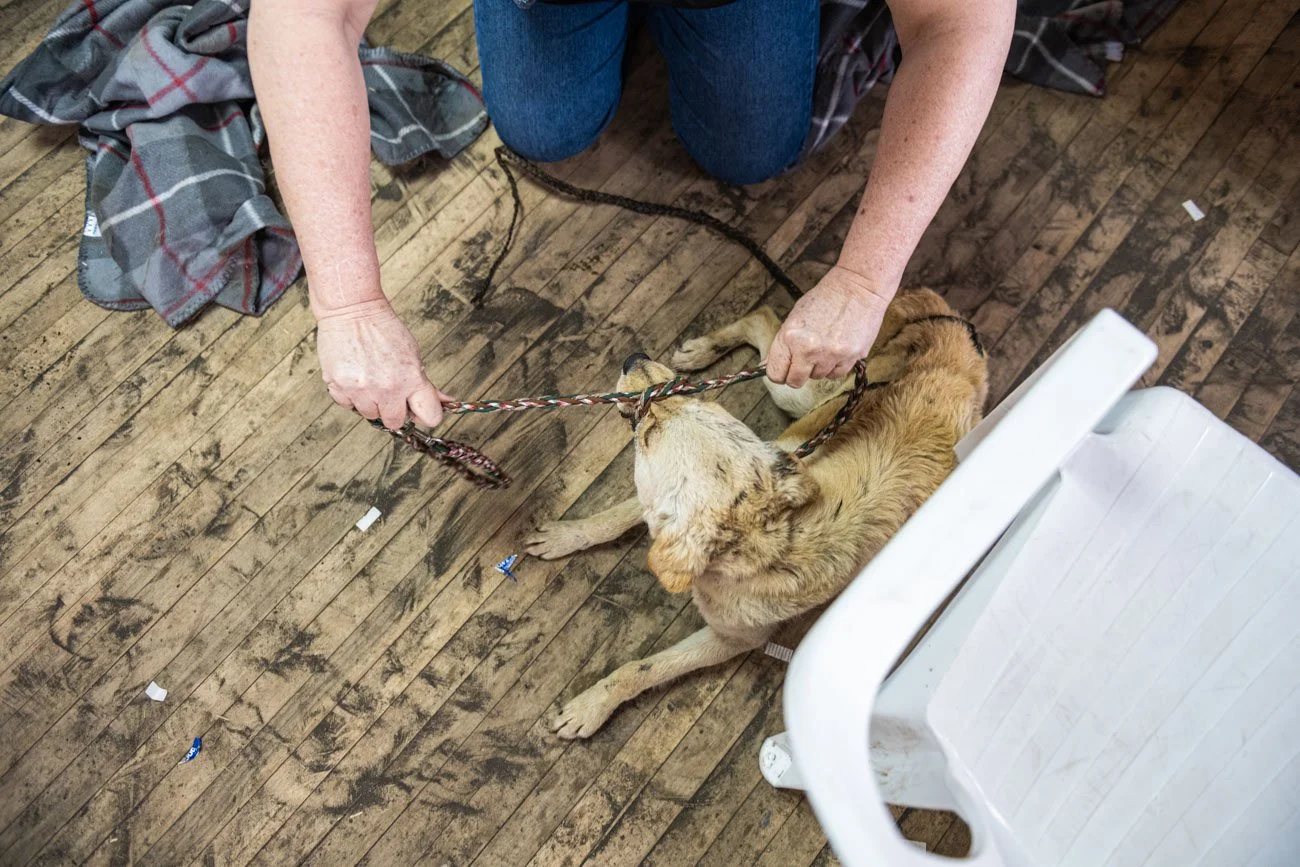
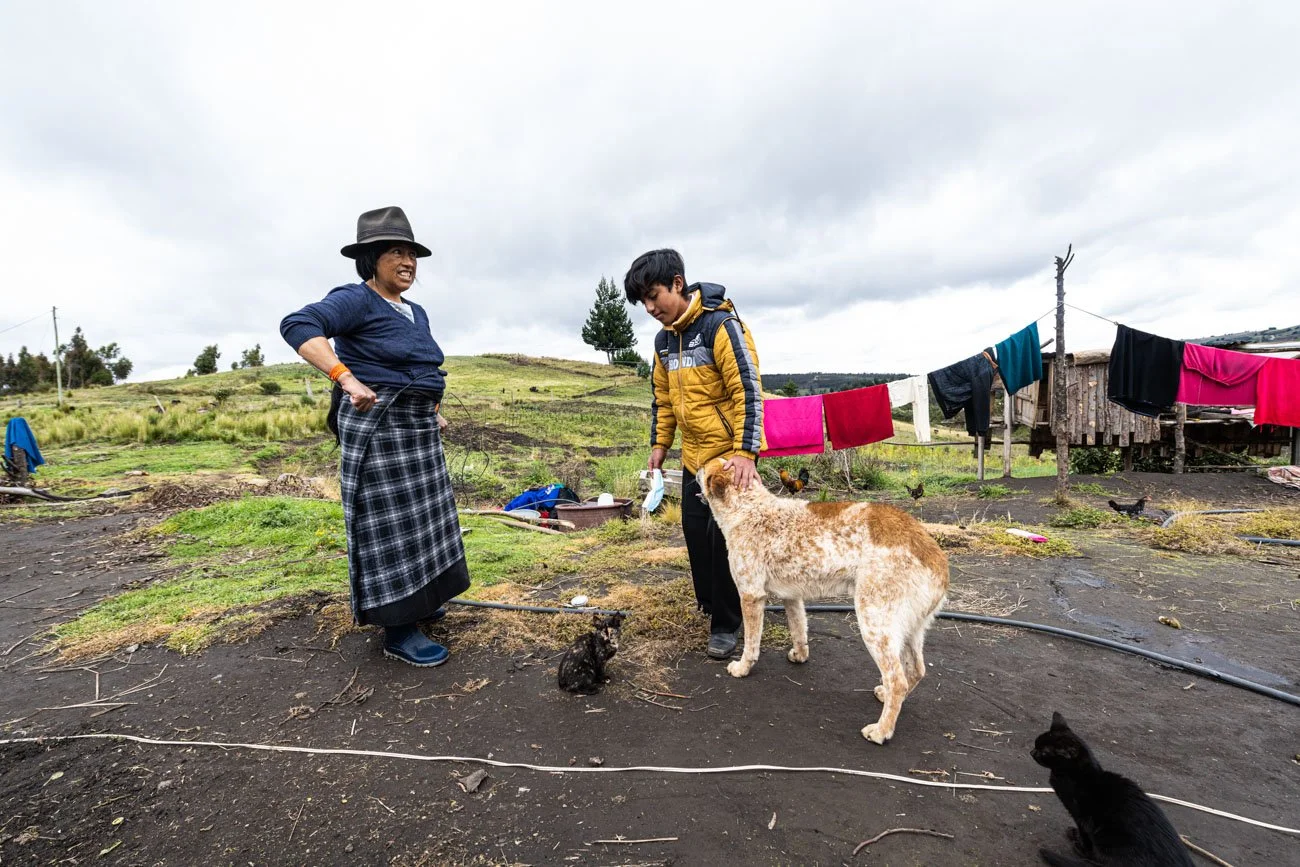
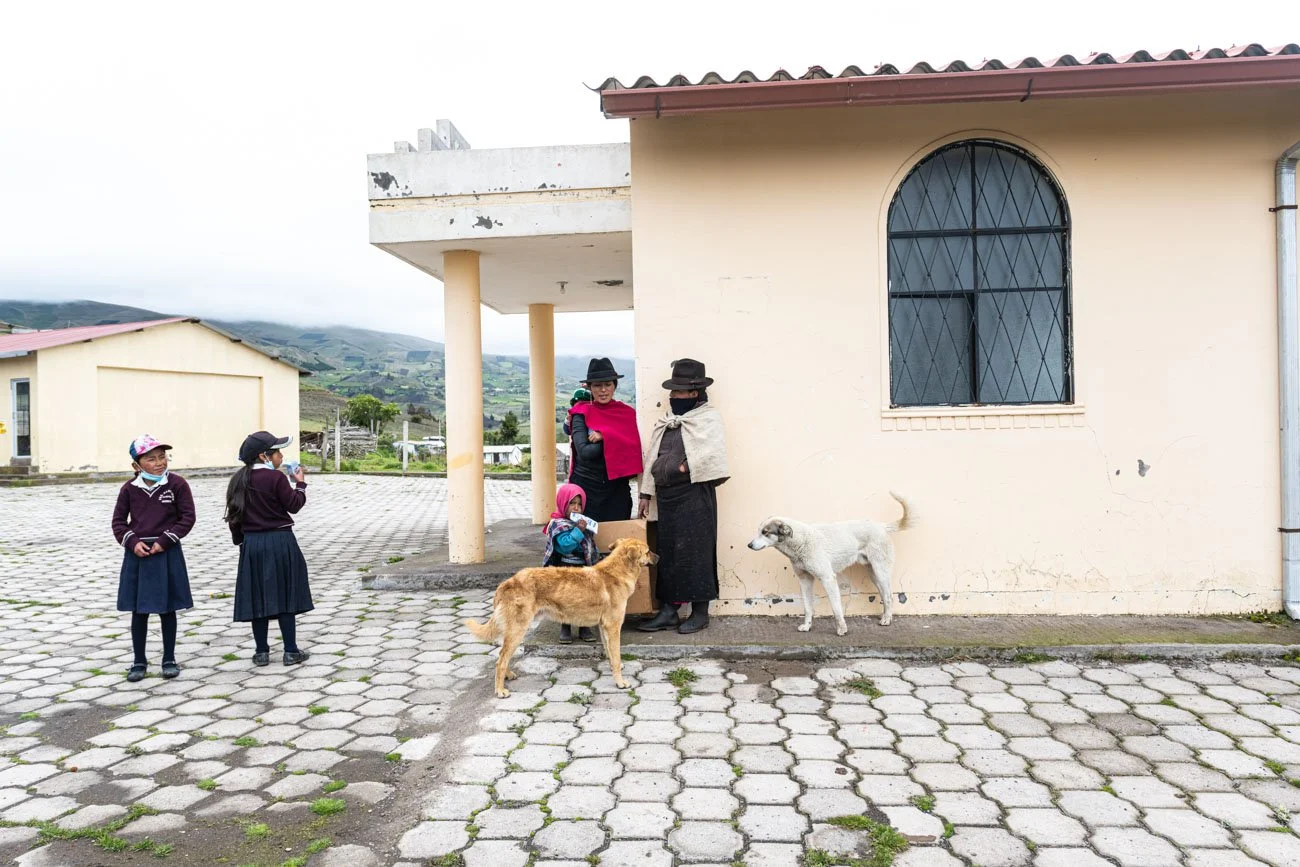
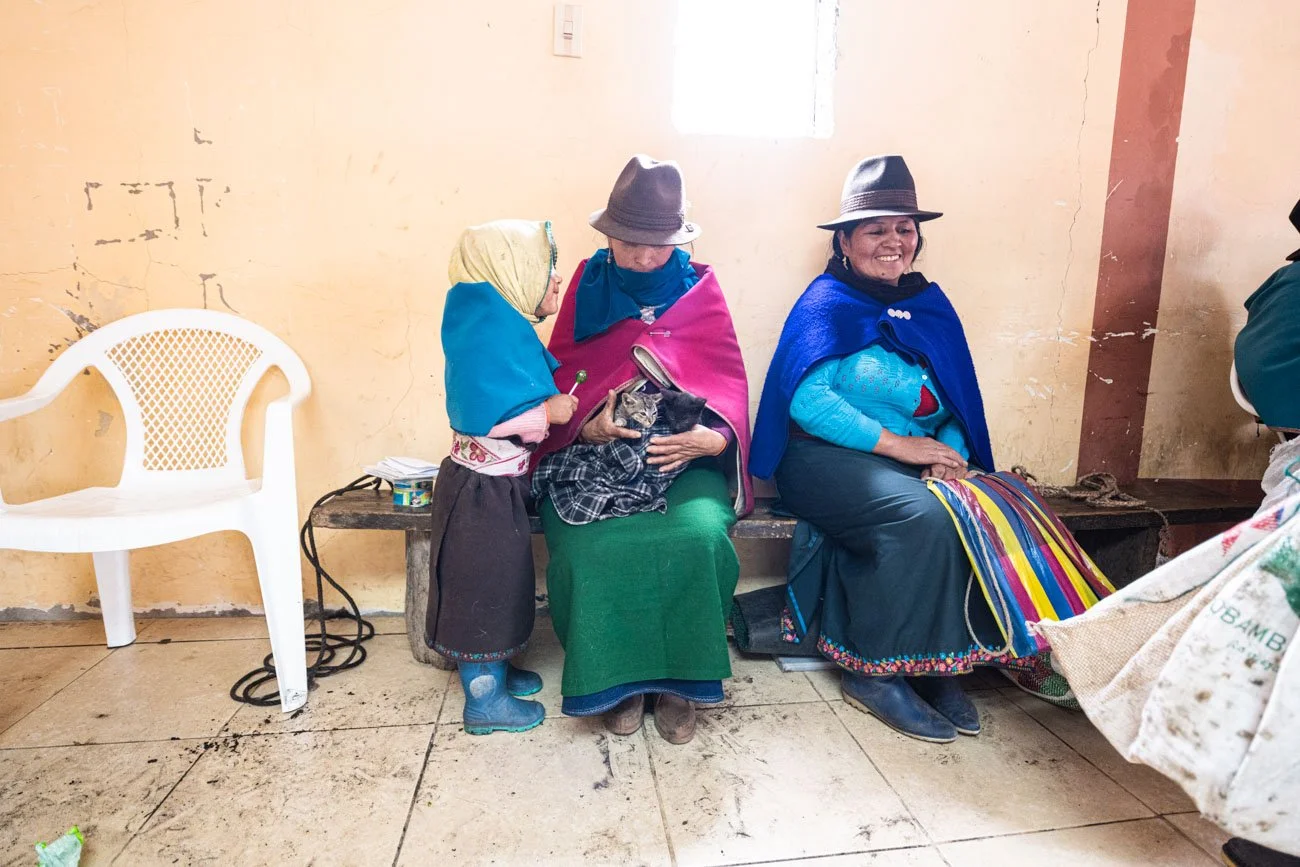
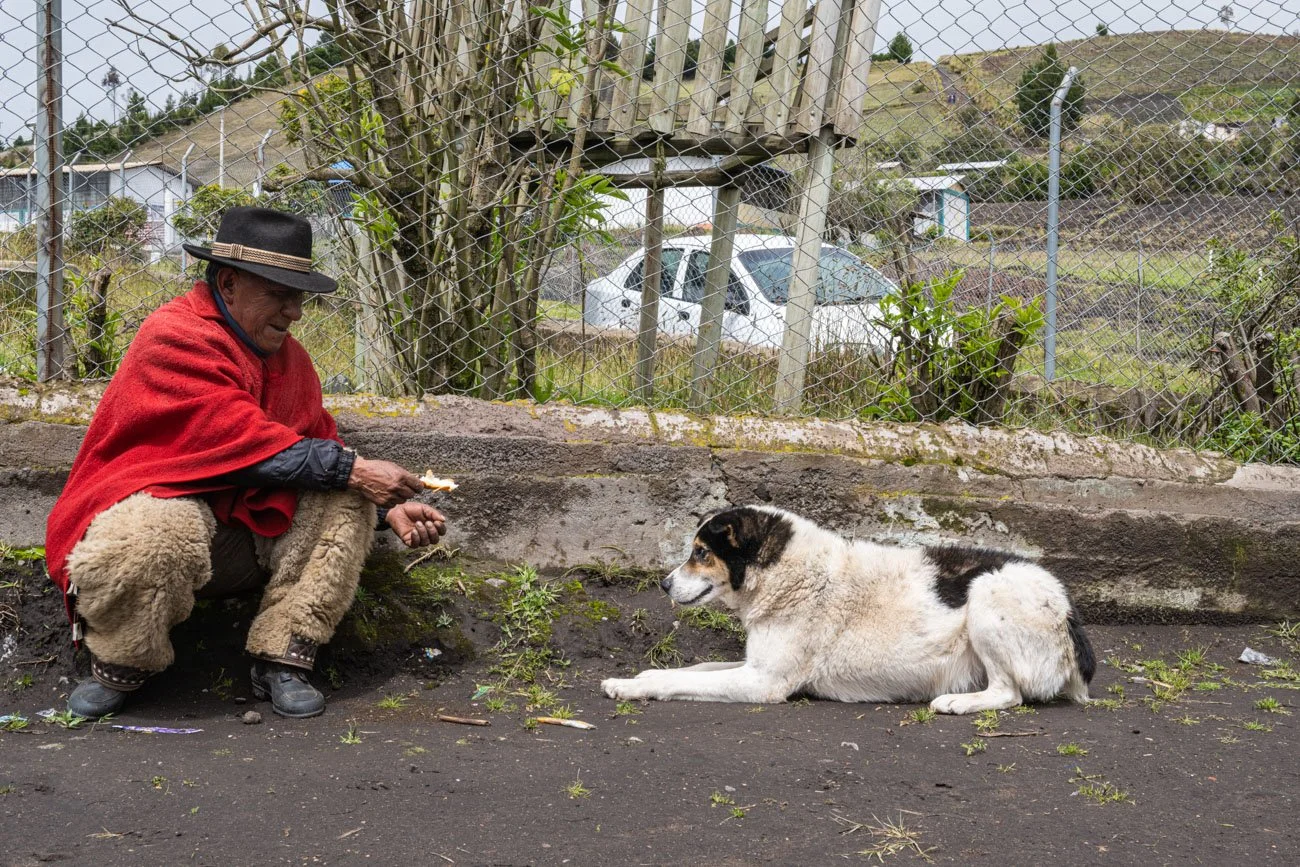
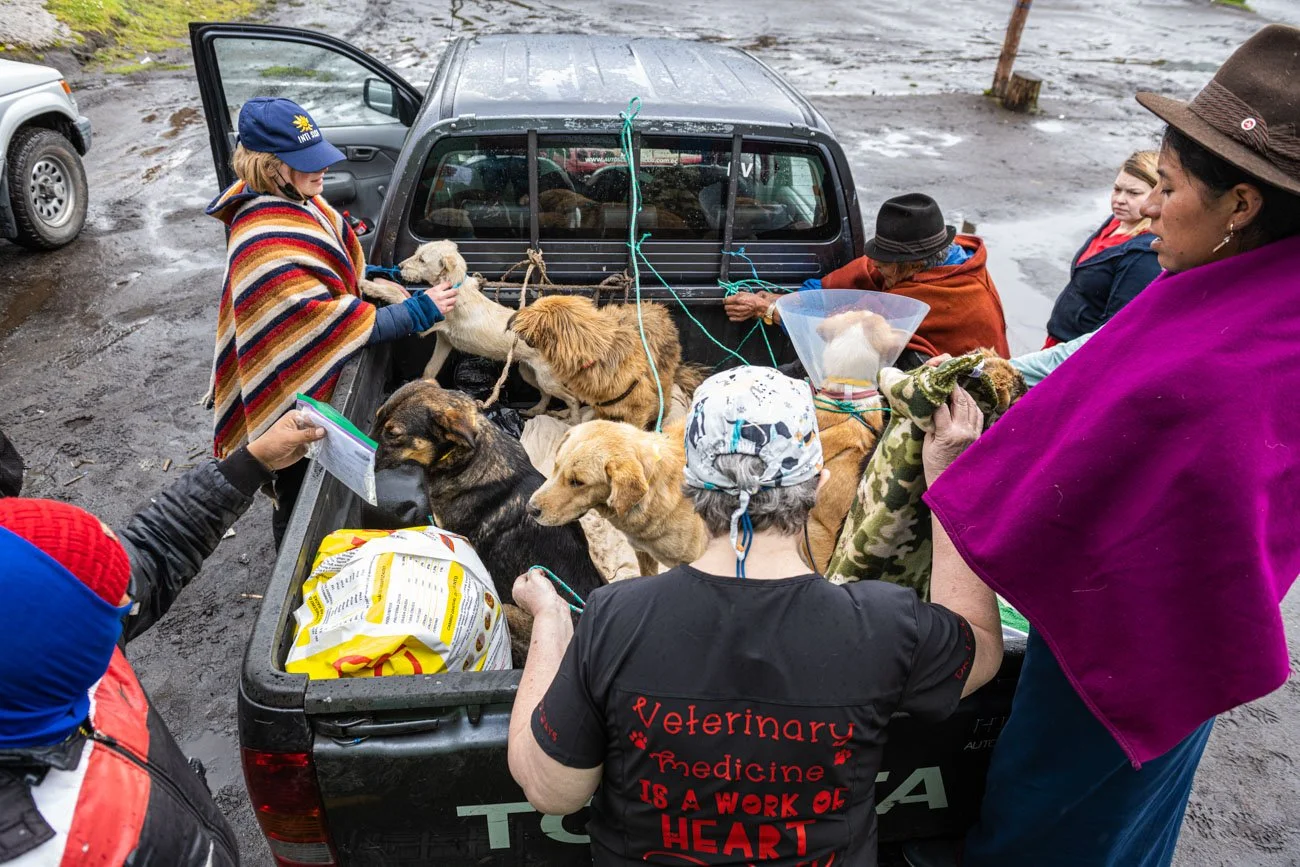
I attended spay/neuter clinics offered by Soul Dog Rescue in rural Ecuador: in Guamote, a small town and in Pull Chico a hamlet. Both are mostly composed of indigenous families, and most pets are free roaming. In order to secure a spot at the clinic families must register and be able to place some sort of leash on their dogs or trap their cats (often using rice bags). This can proves challenging.
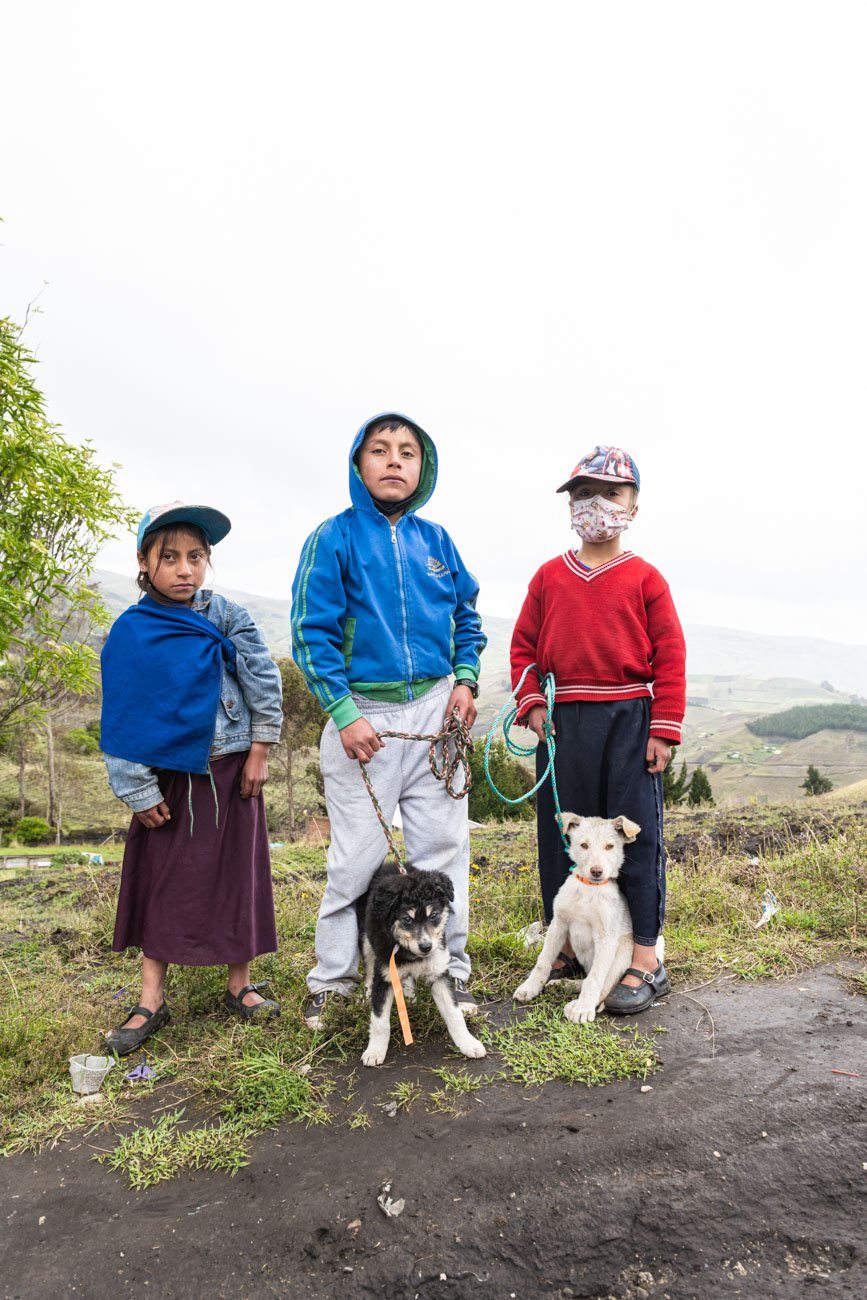
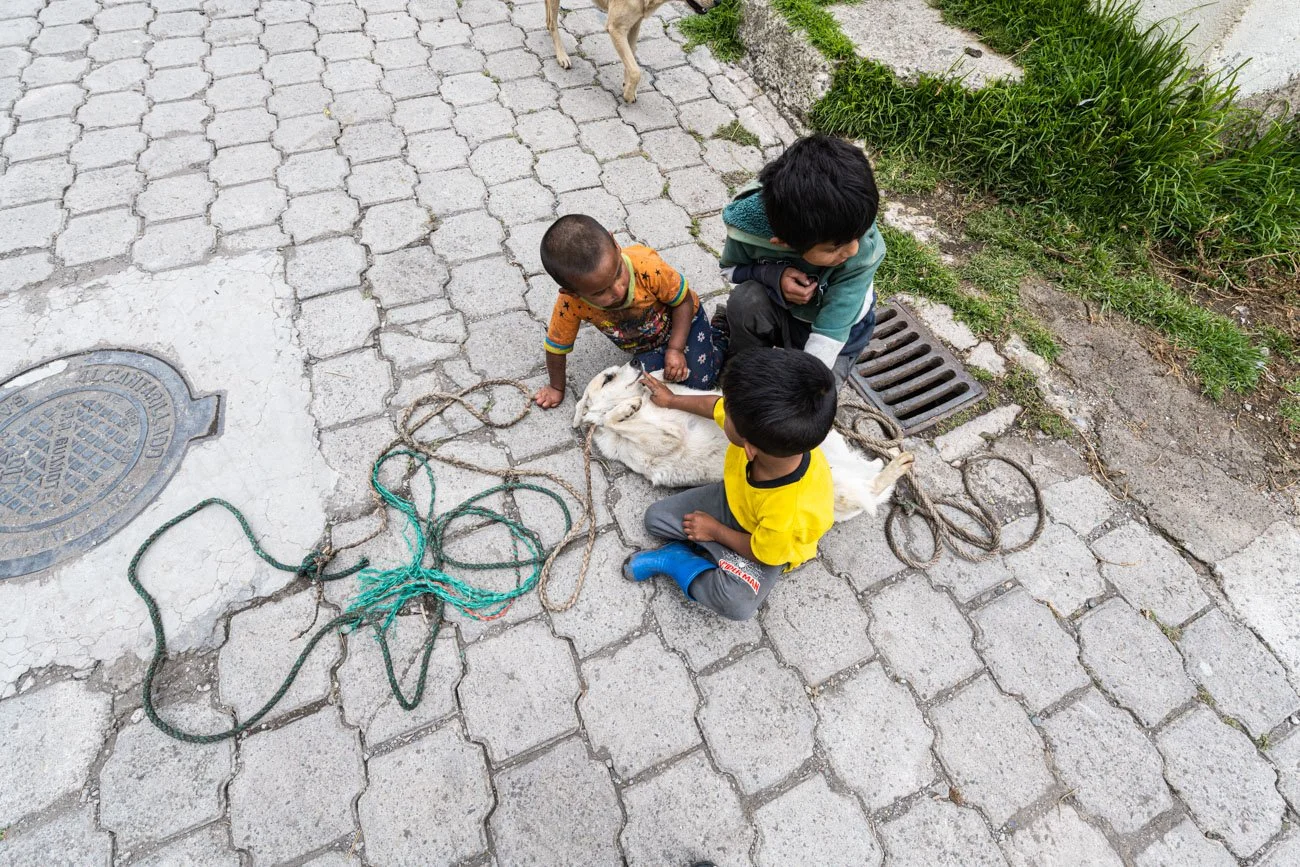
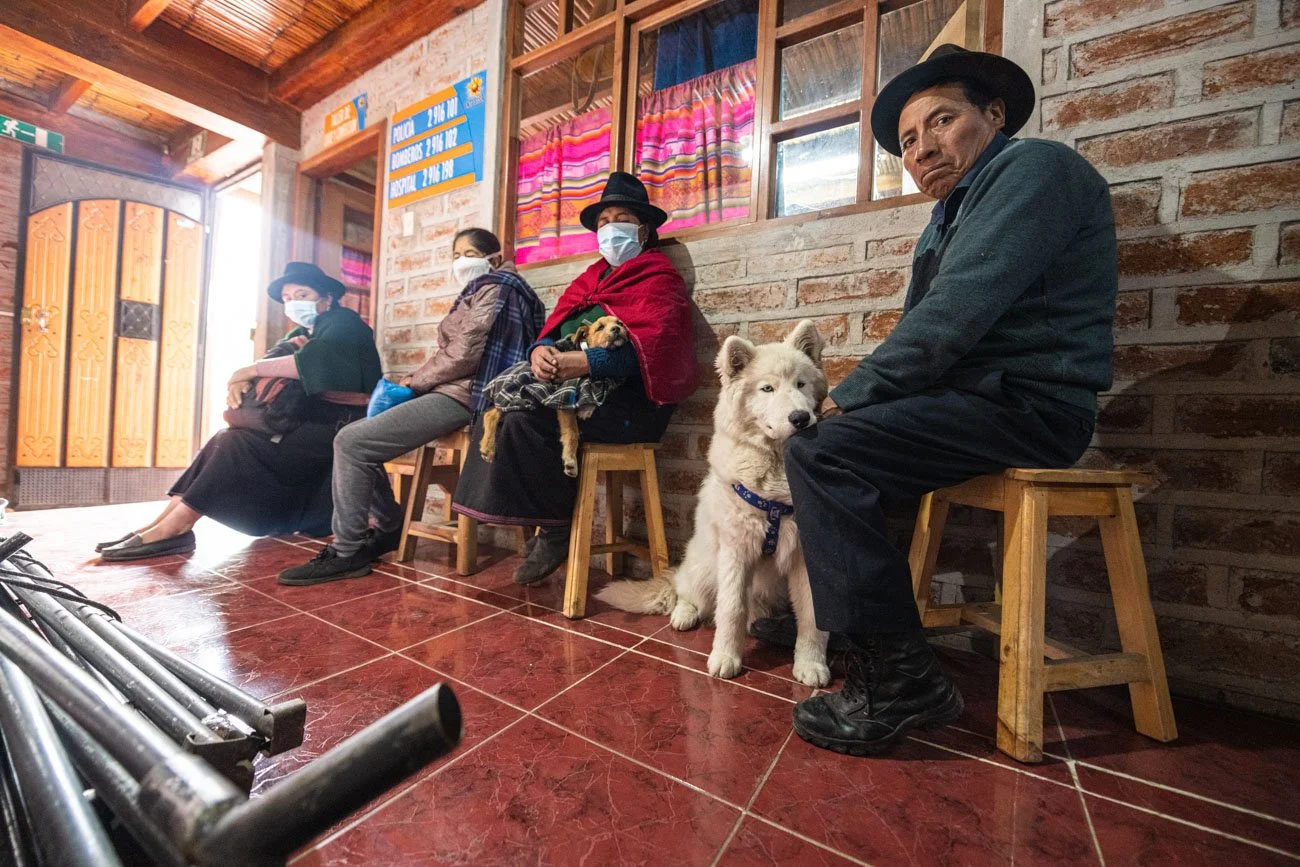
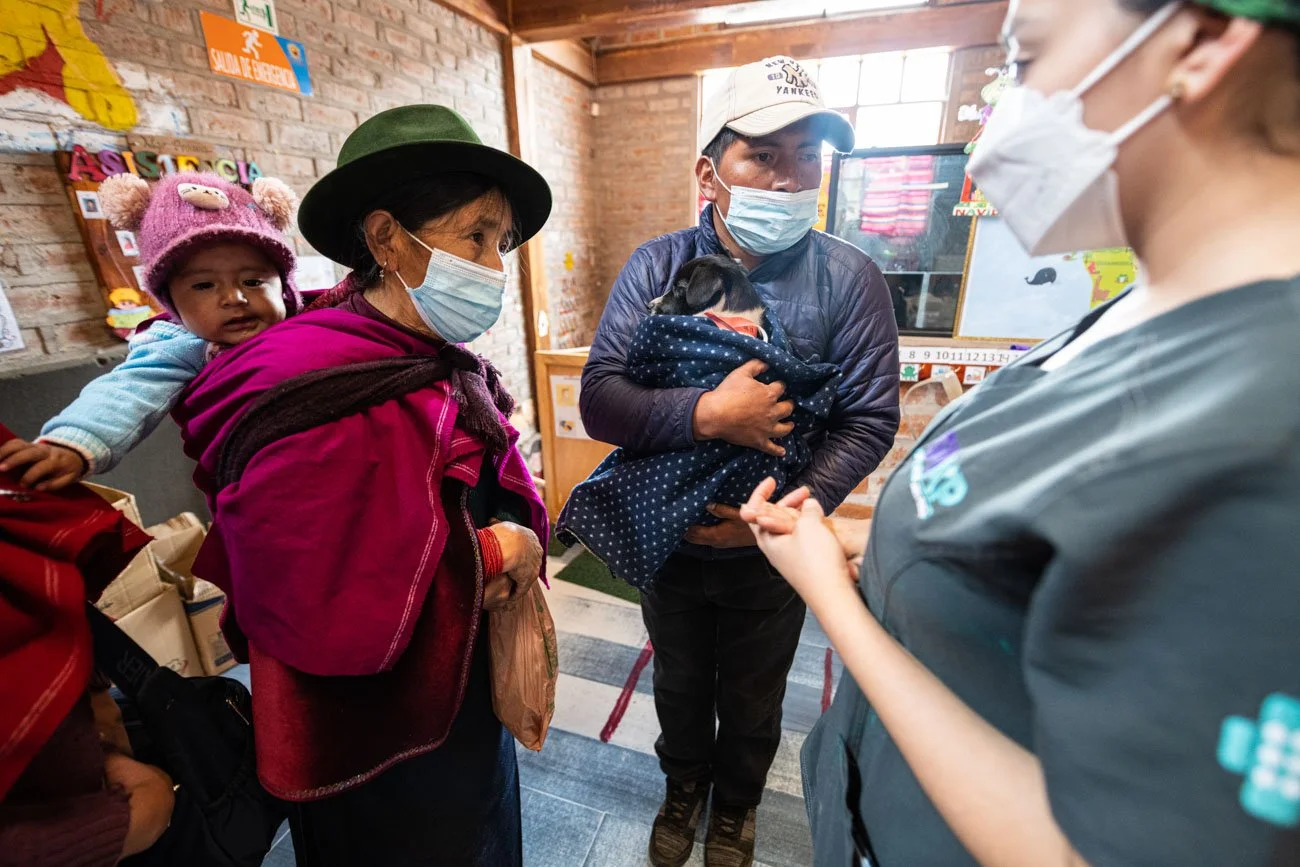
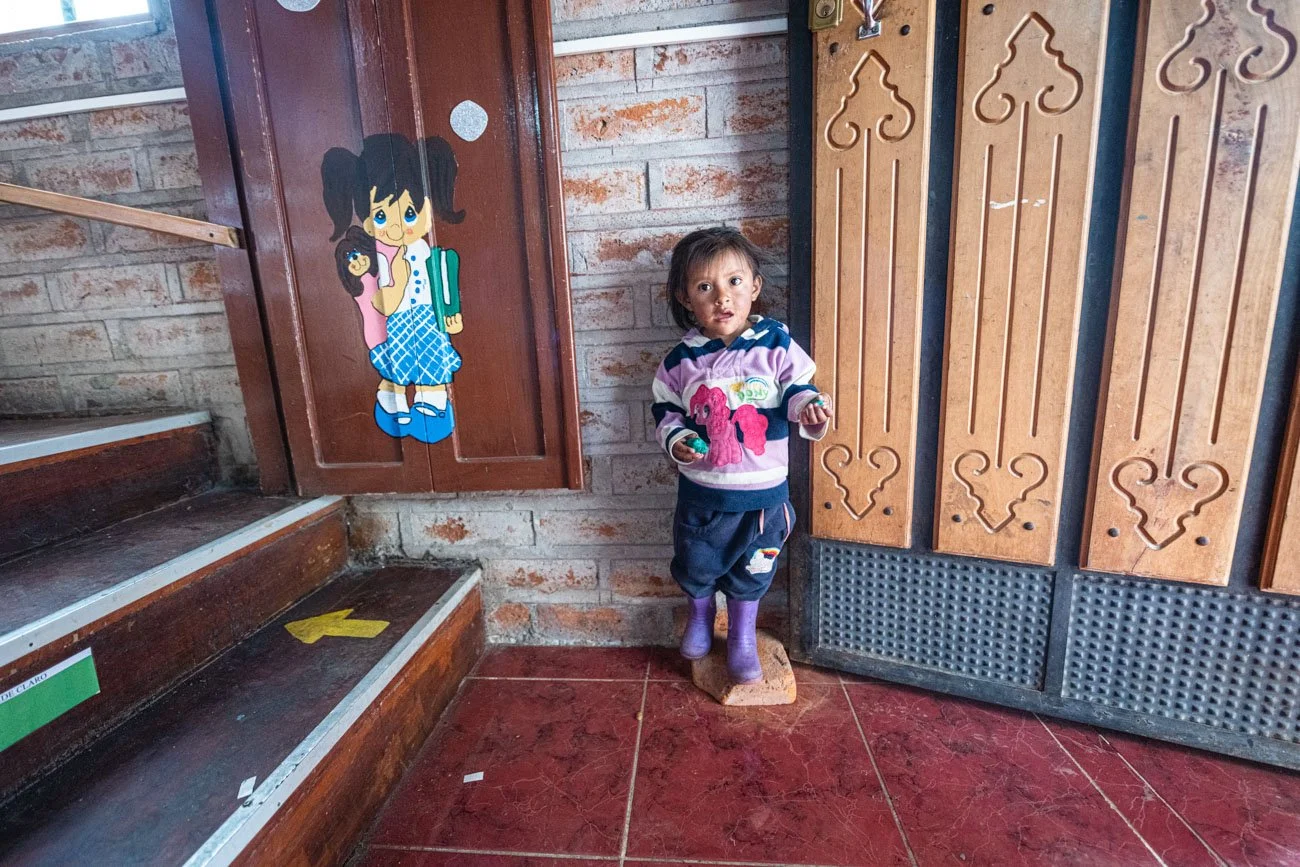
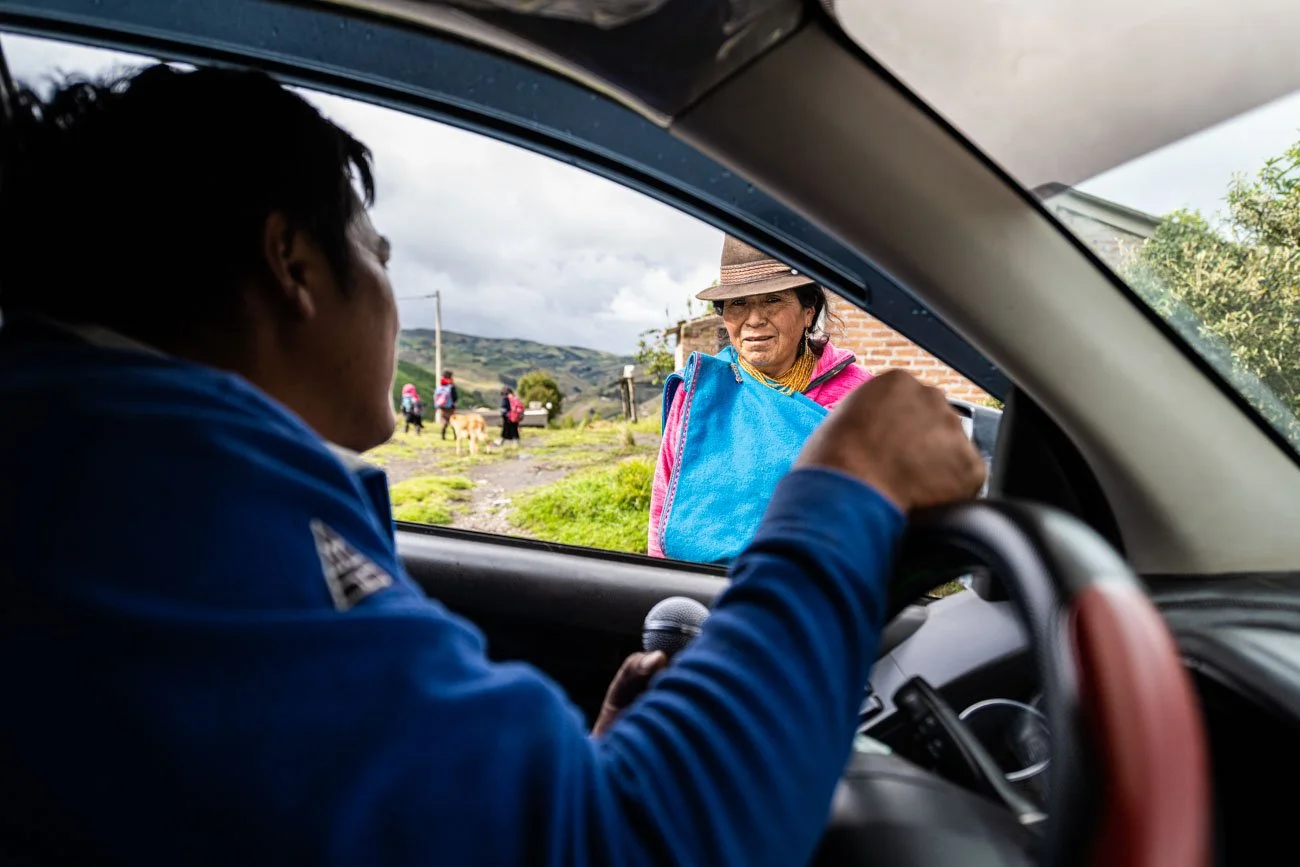
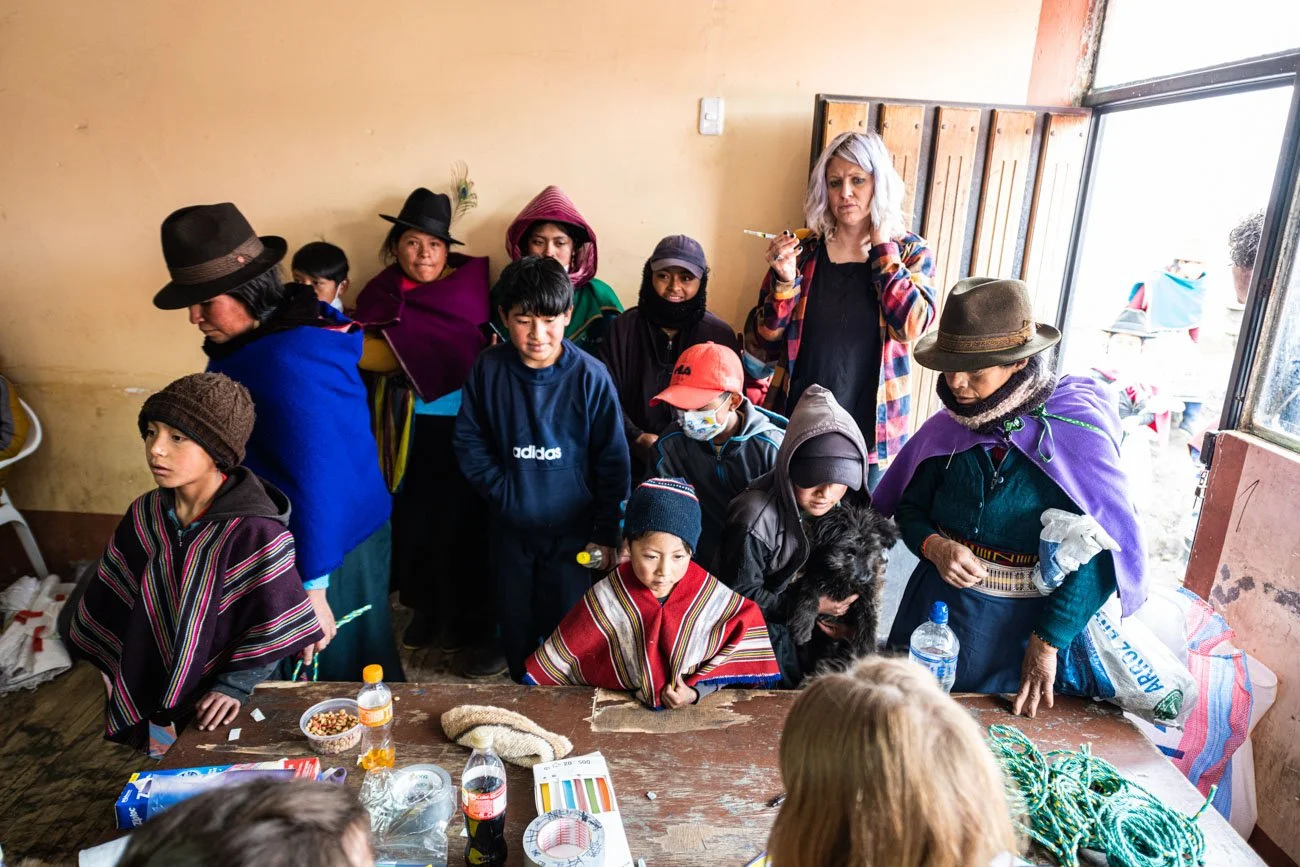
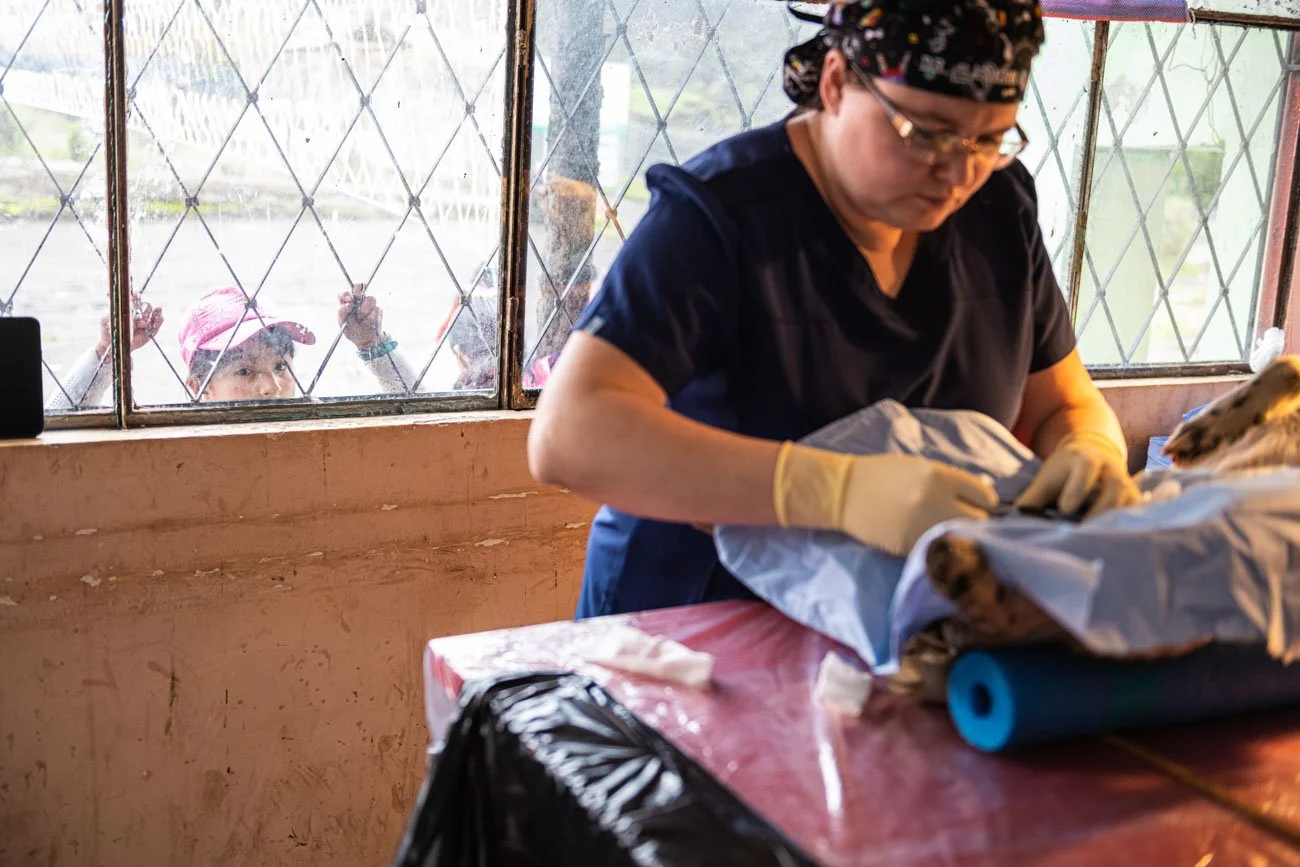
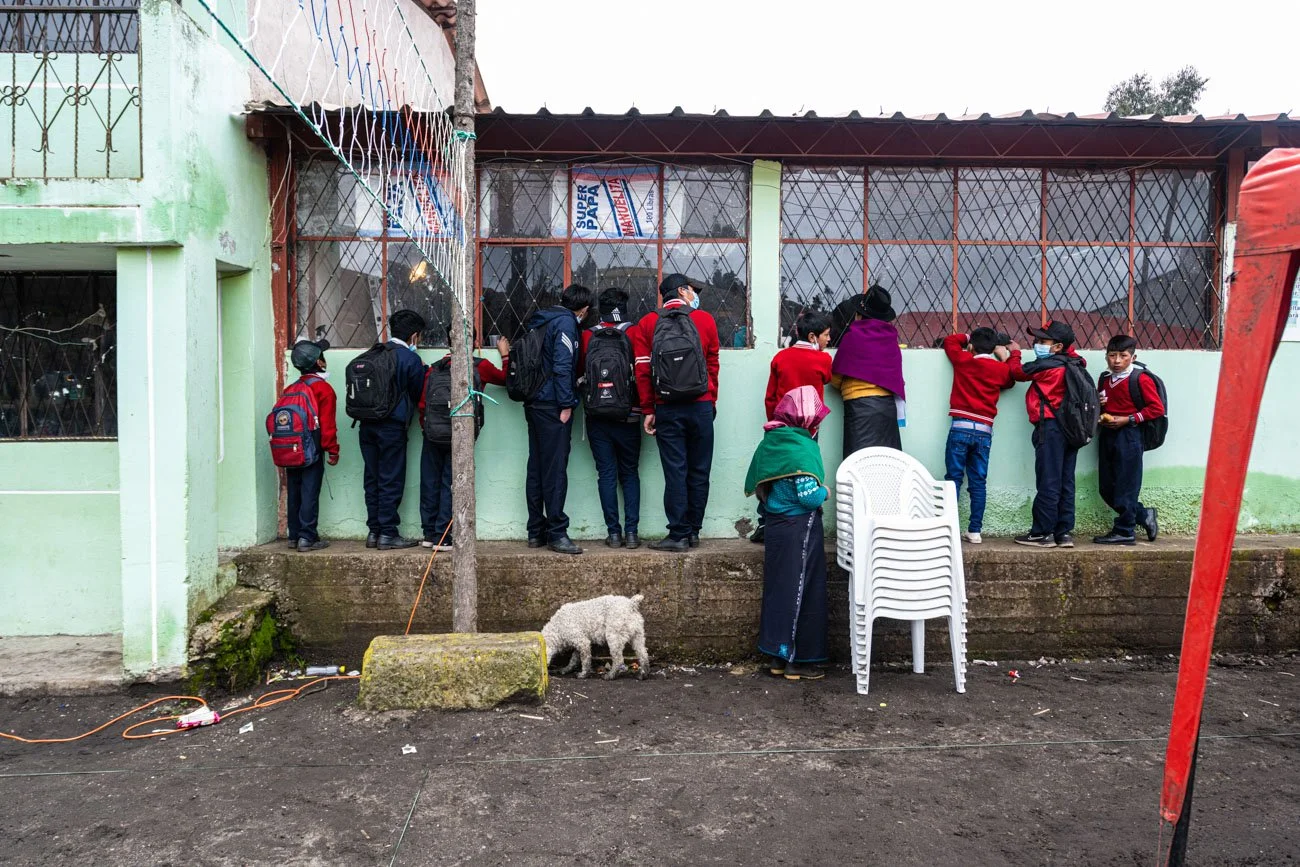
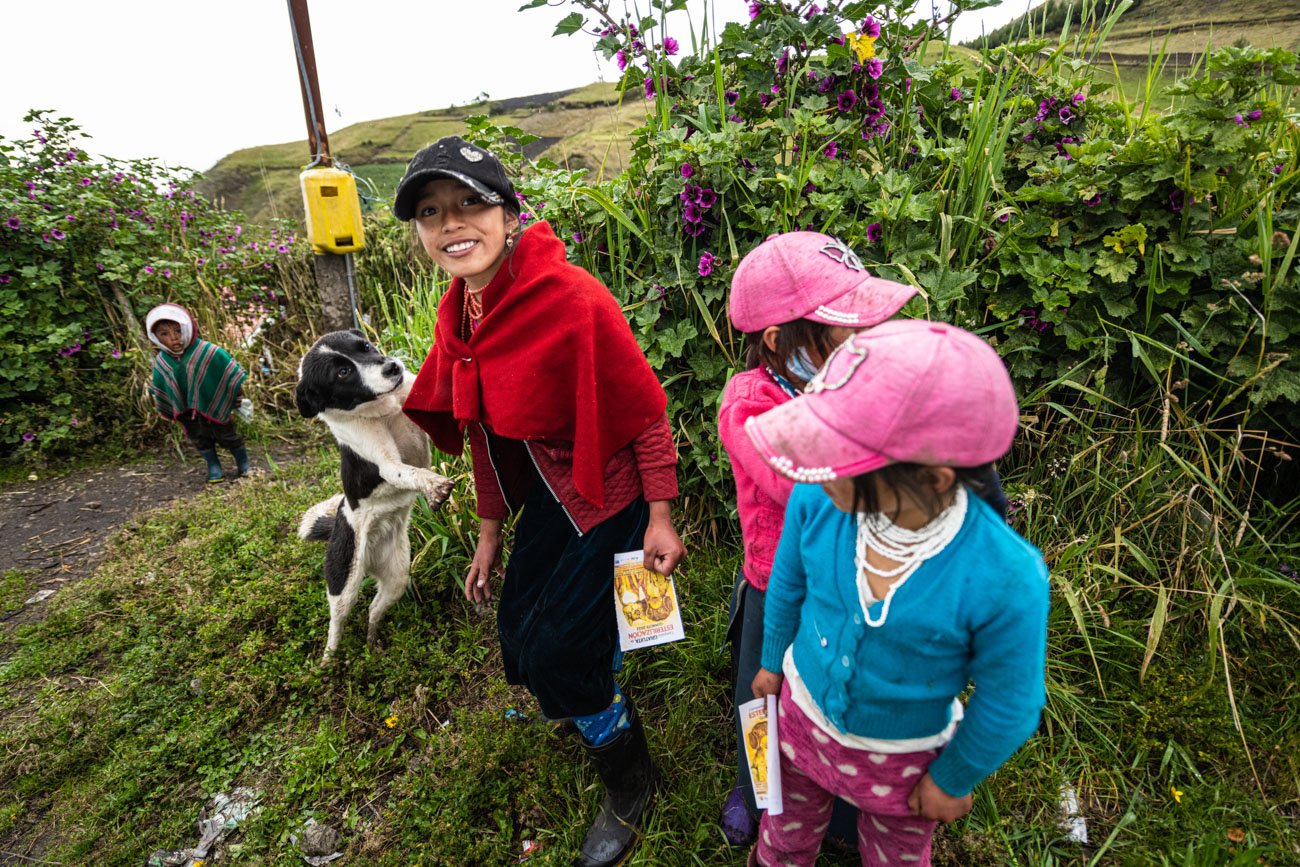
In Pull Chicho, nobody owned a car, which made coming to the clinic even more difficult. But nothing stopped these families from showing up. Some walked two hours for their appointments, under the beating rain. Children rallied, observing the clinics with heightened curiosity, asking questions, rushing home to bring their own pets back - did they fully understood what sterilizing meant? I drove around the hamlet with Carlos, a community leader who encouraged families to join (“Good afternoon, good afternoon. Thank you for all the families that brought their dogs to get neutered/spayed. We are inviting families tomorrow at 8 am to bring their dogs to get fixed with US professionals. We will be waiting for you. Come brothers and sisters. And you won’t have to pay anything. Caya cama, caya cama” (a Quichua phrase that means “see you tomorrow”).
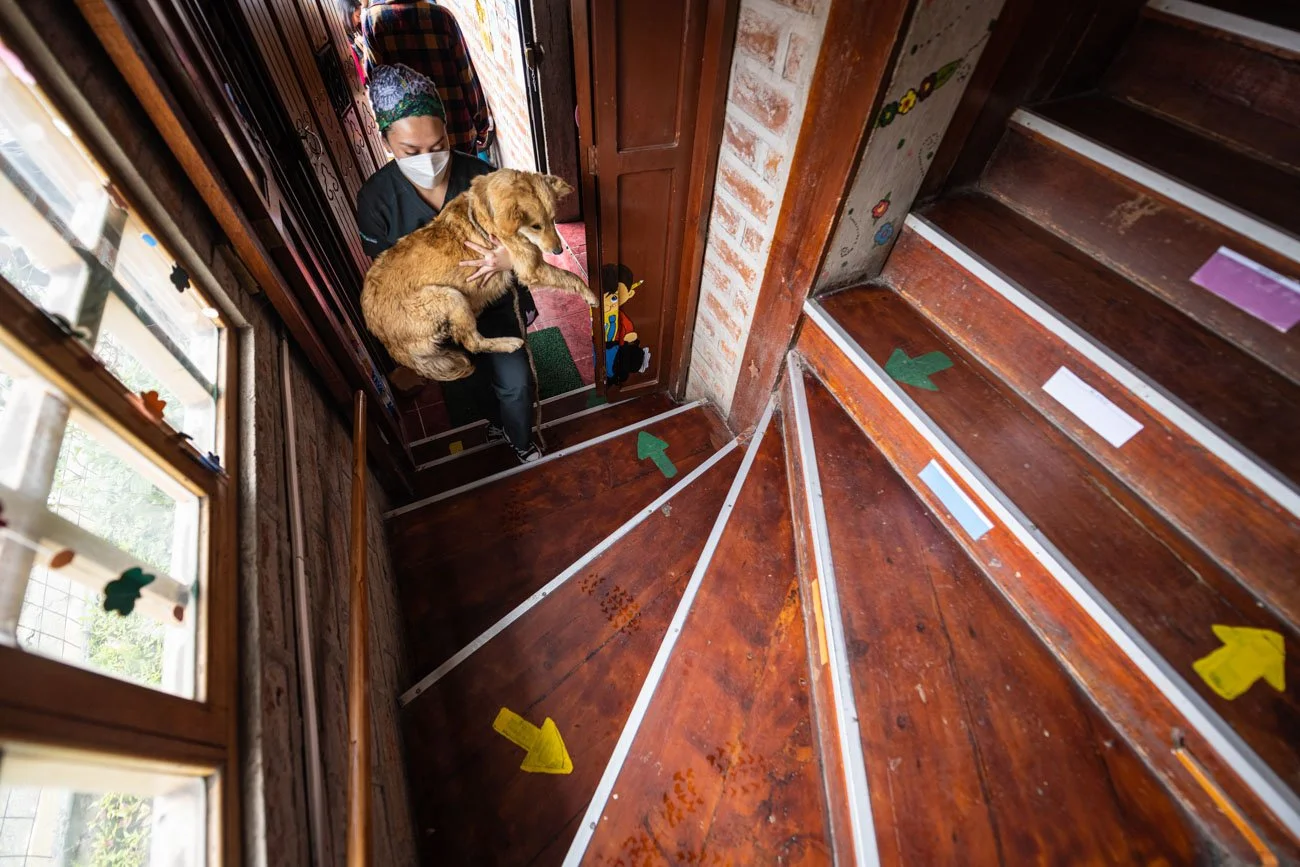
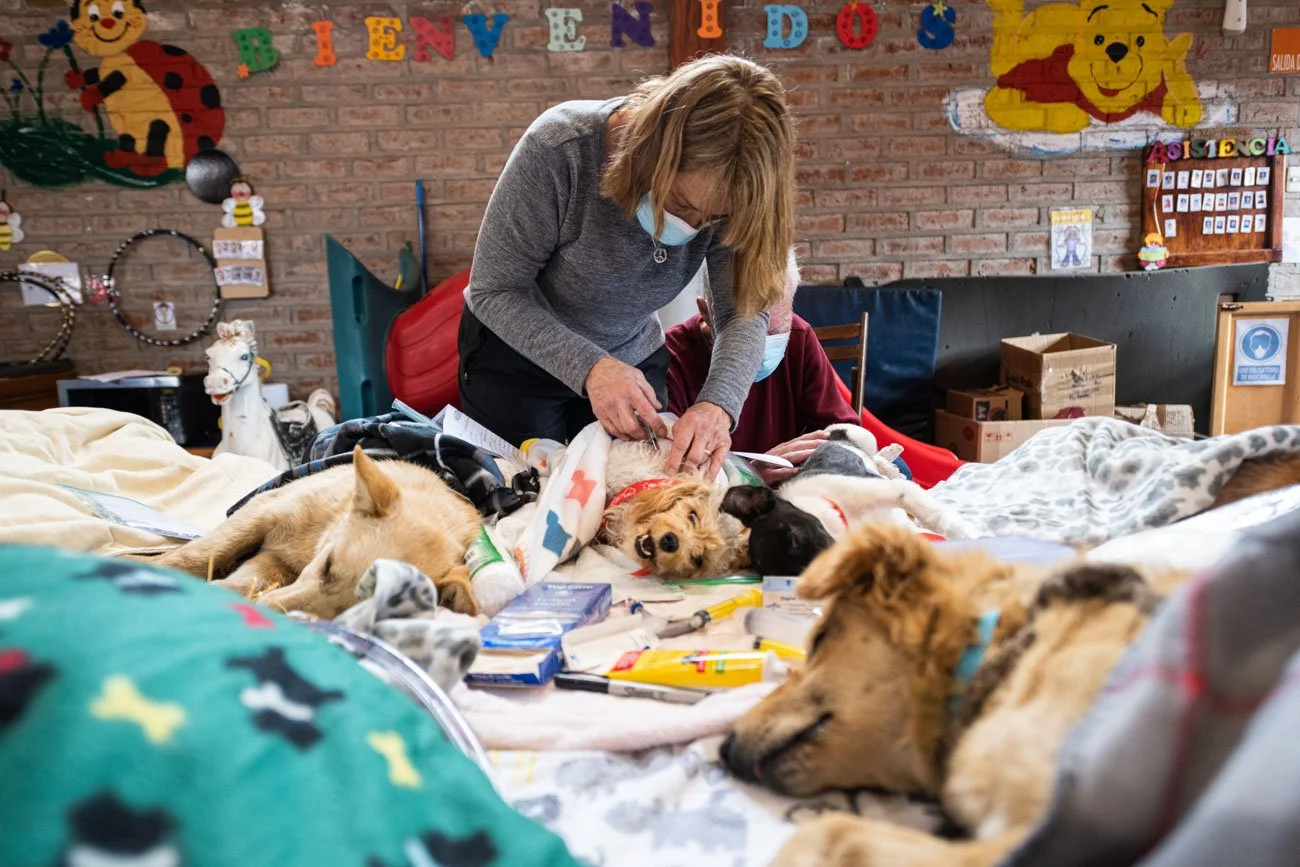
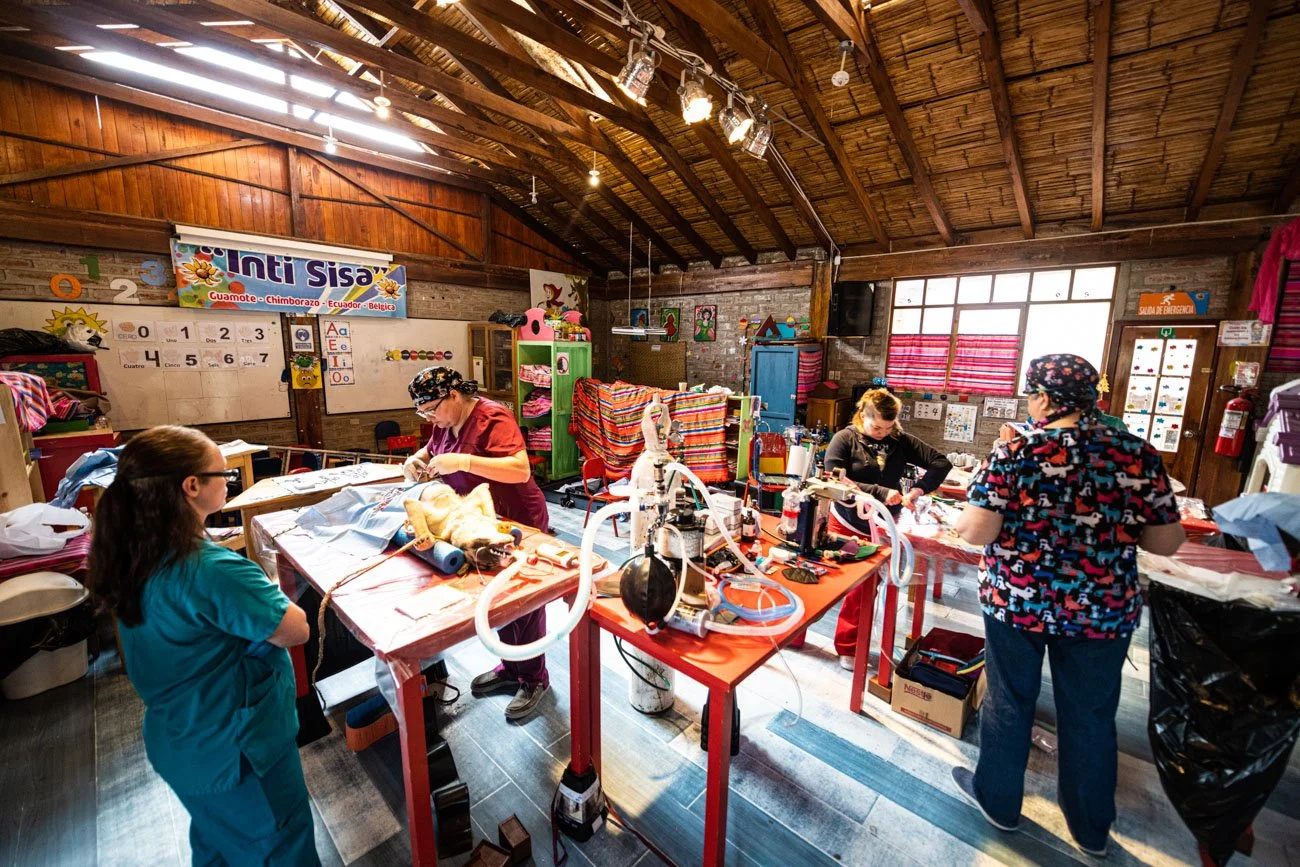
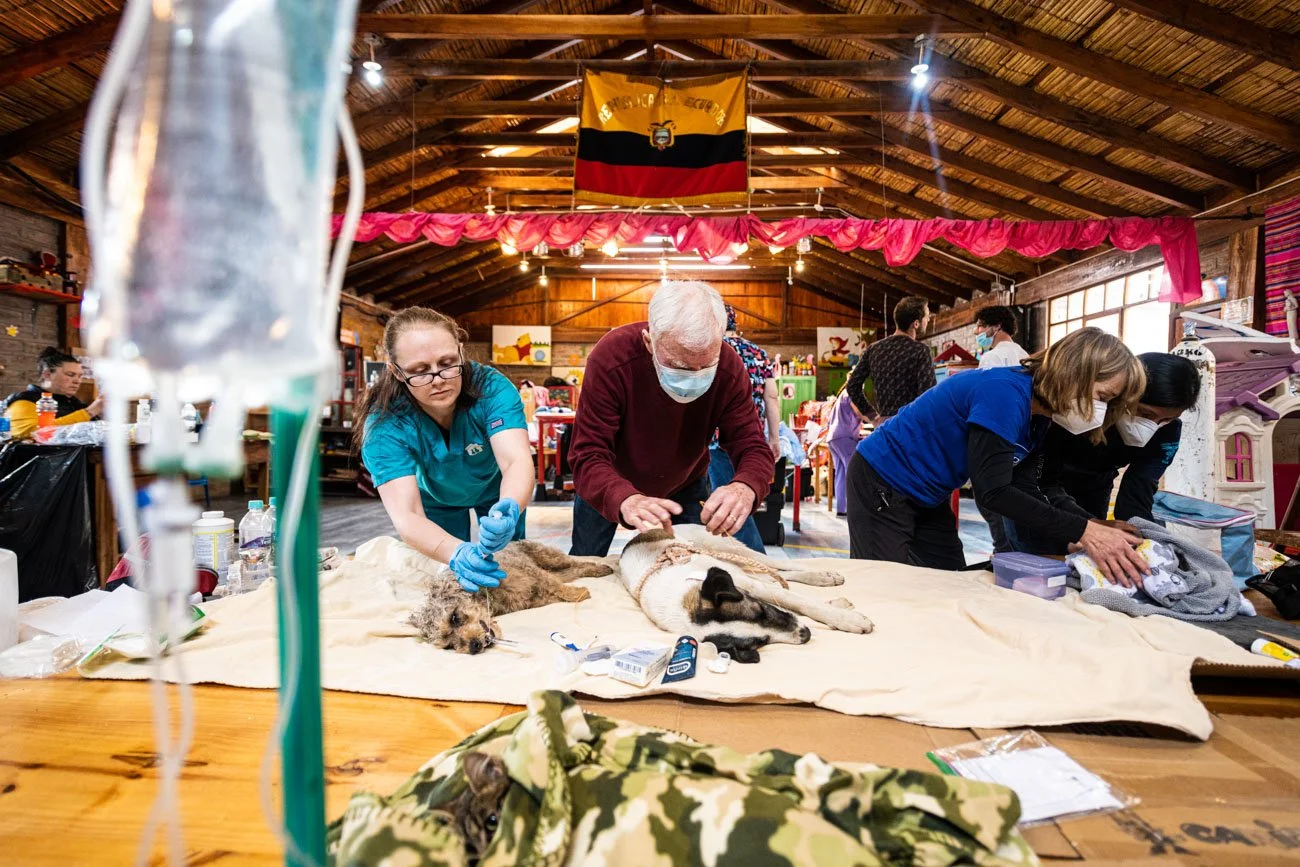
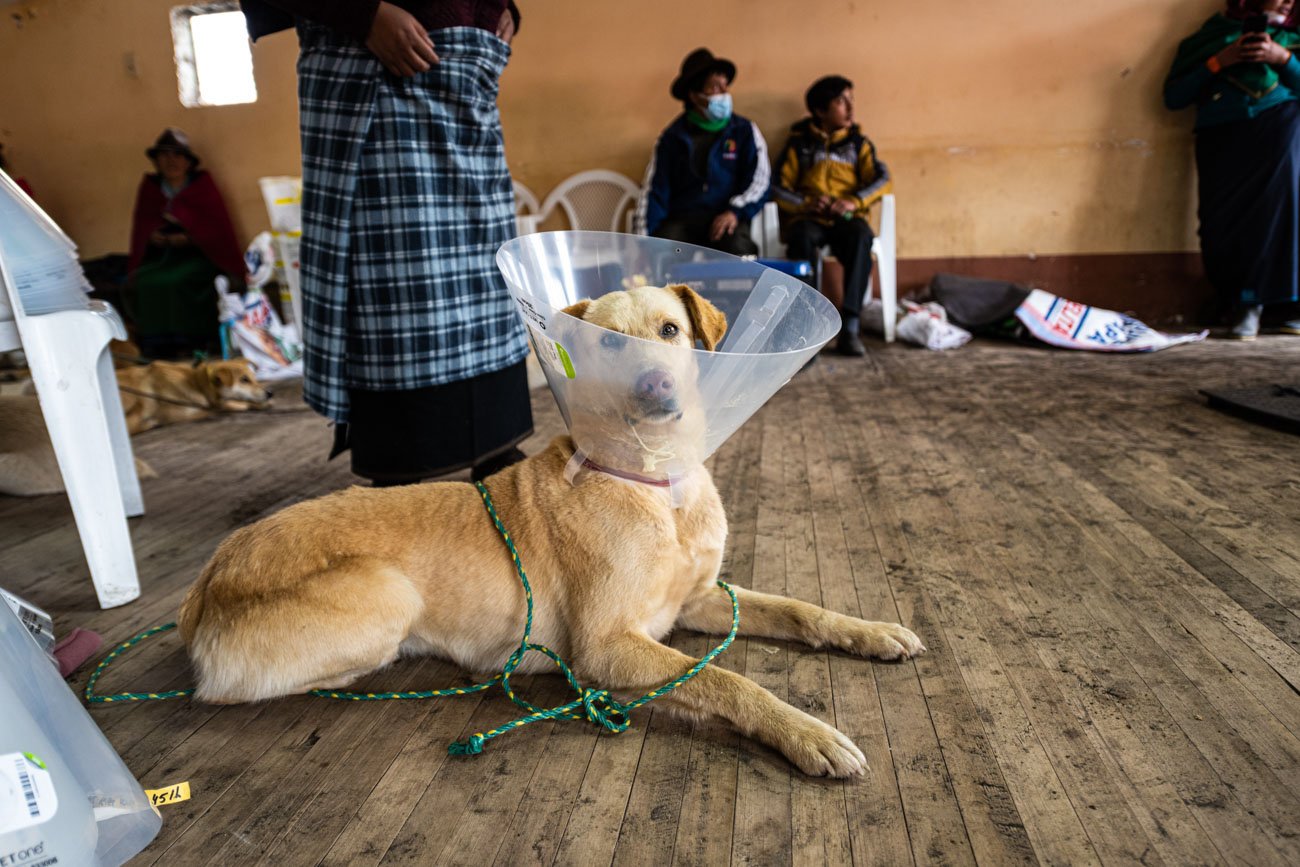
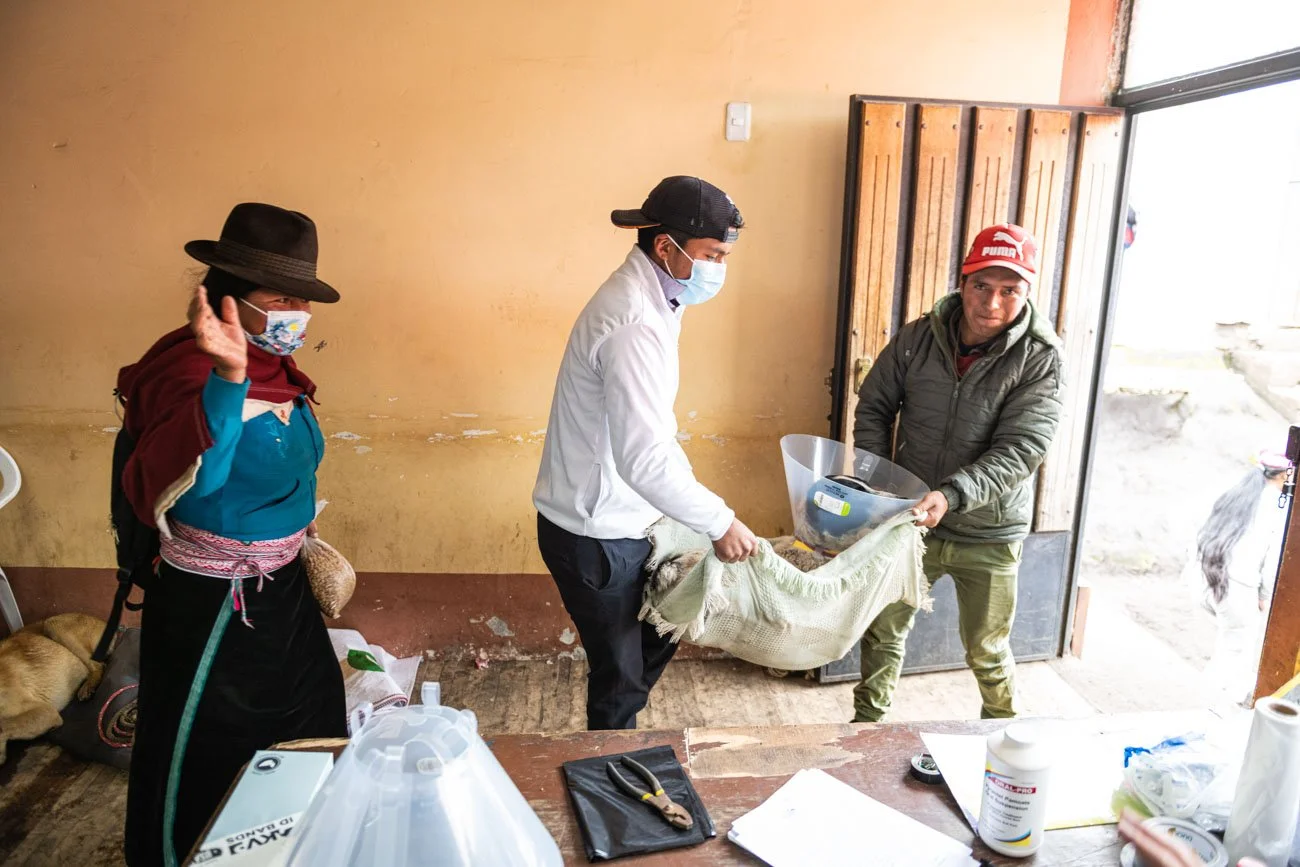
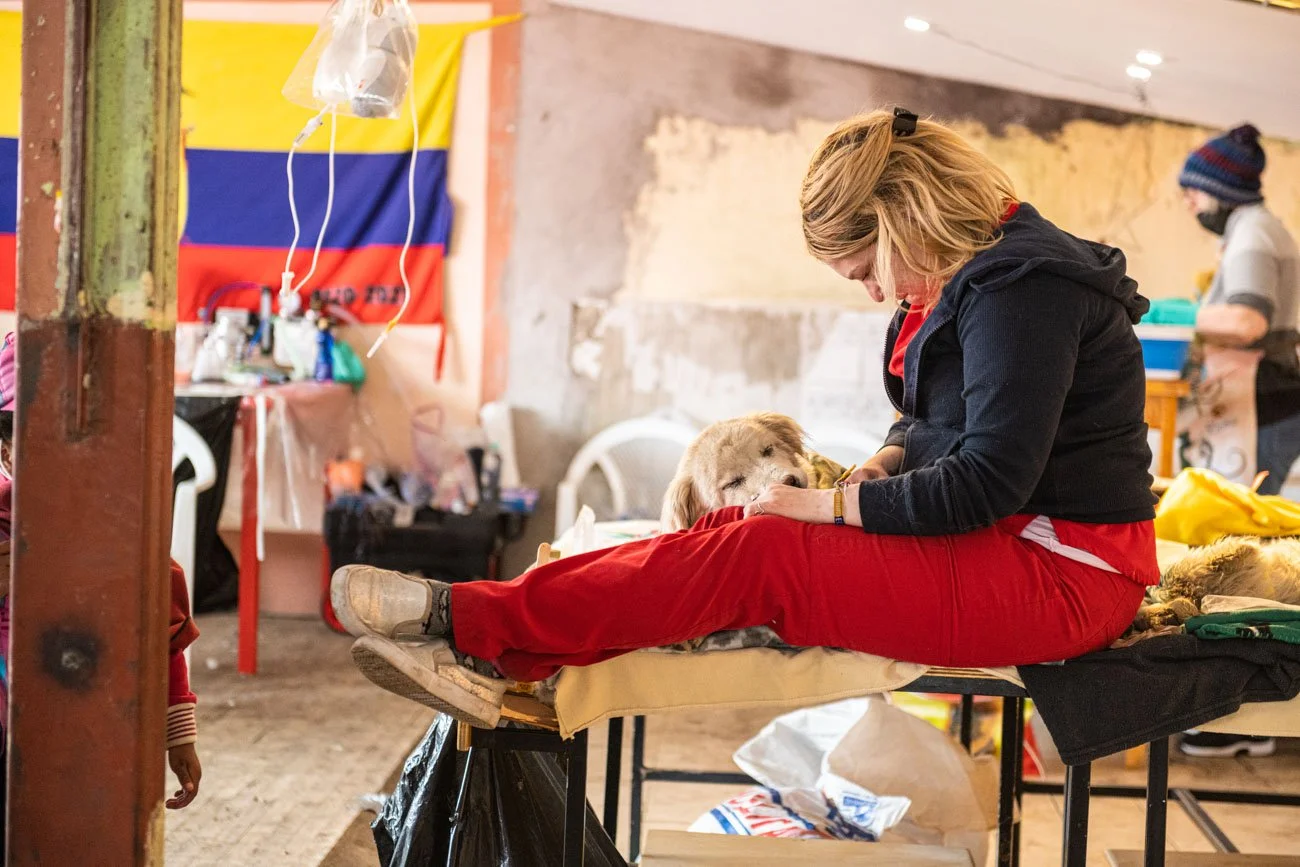
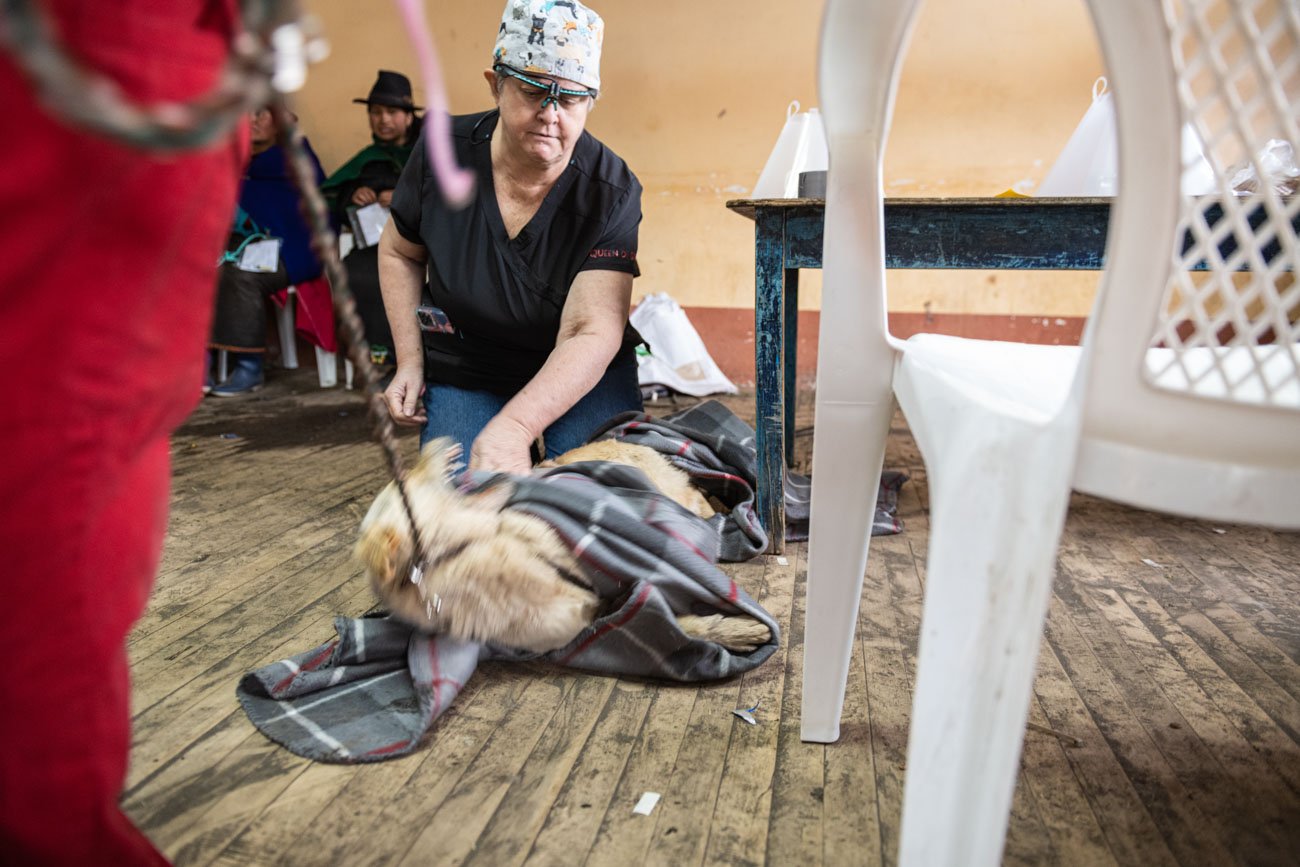
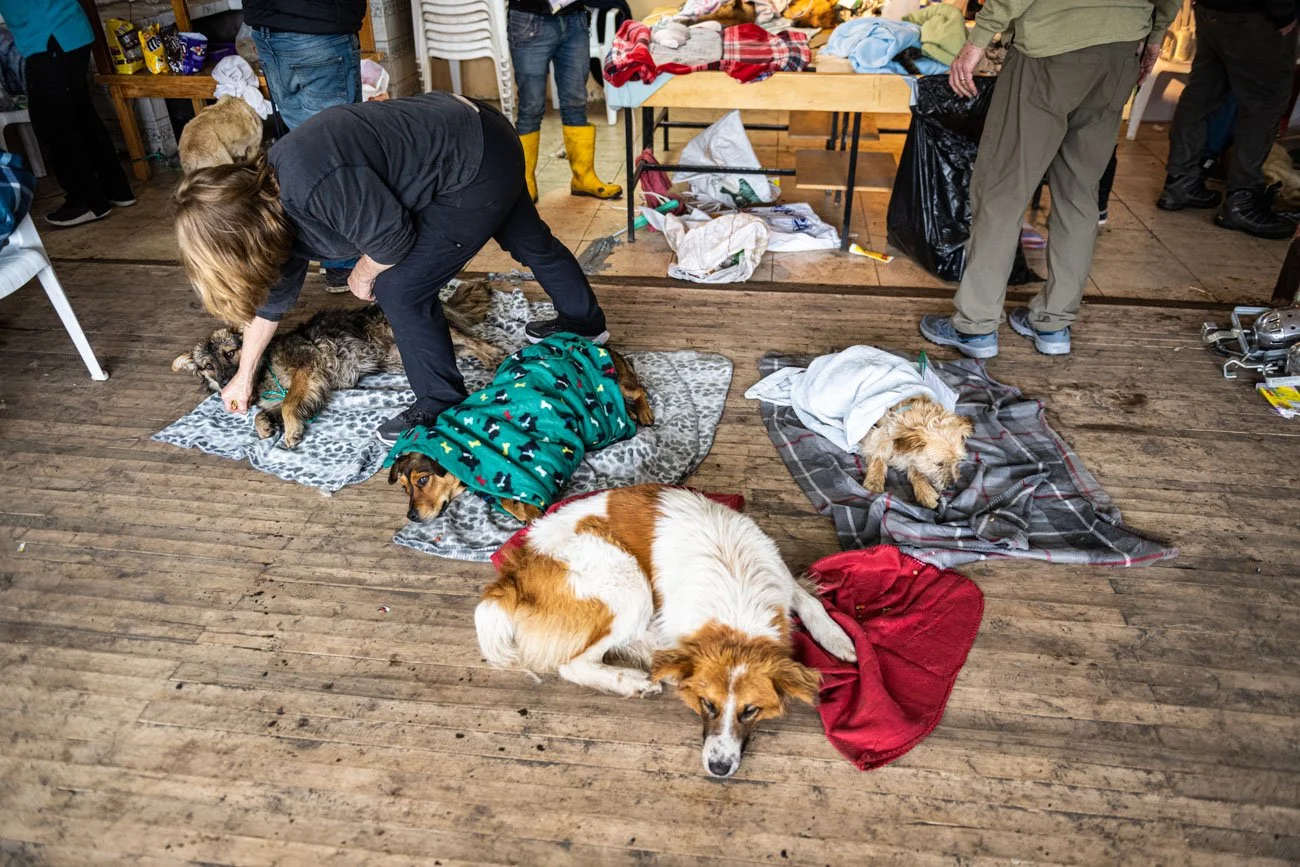
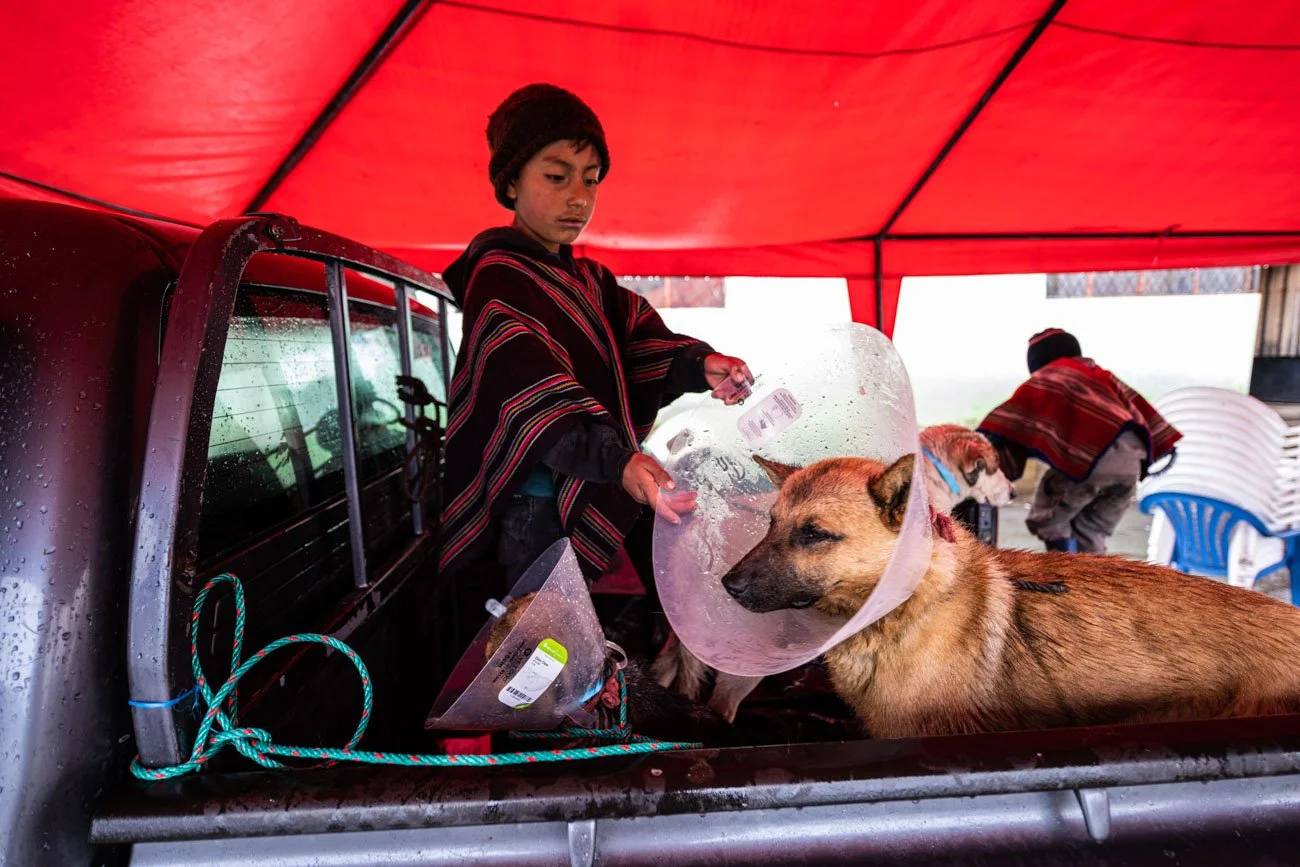
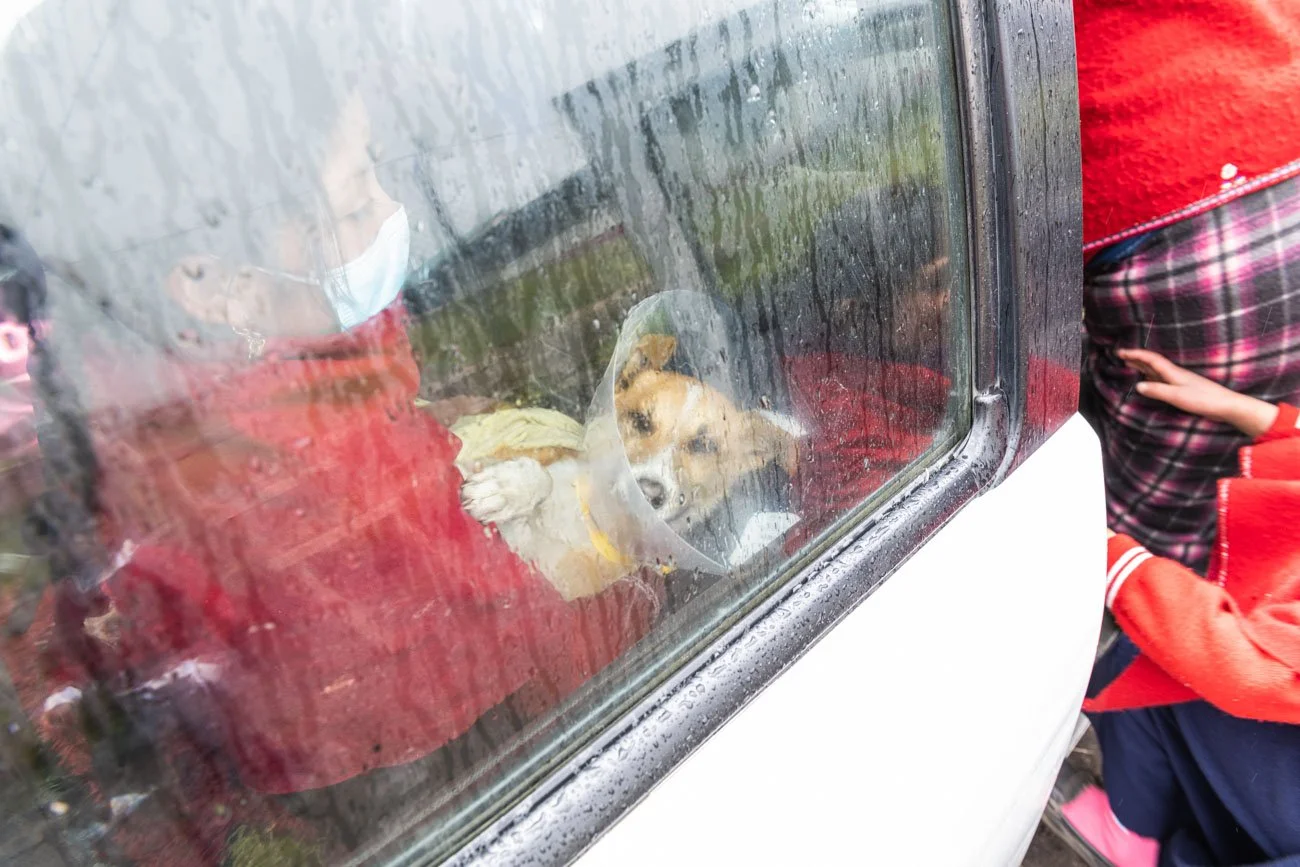
Spaying and neutering in such environments can raise questions, in particular with growing concerns around offering “fear-free care” to animals (Fear Free is a concept of practicing veterinary medicine that involves the reduction of feelings of stress in the pet patients). For dogs who have never walked on a leash, or been in a room full of other animals and humans, the process can be overwhelming. The male patients are released wearing surgical cones, which can be surprising given these dogs are free-roaming and it is likely they’ll be out and about immediately after surgery. In Pull Chico, most people spoke Quichua, not Spanish, and explaining post-surgery care proved challenging as well.
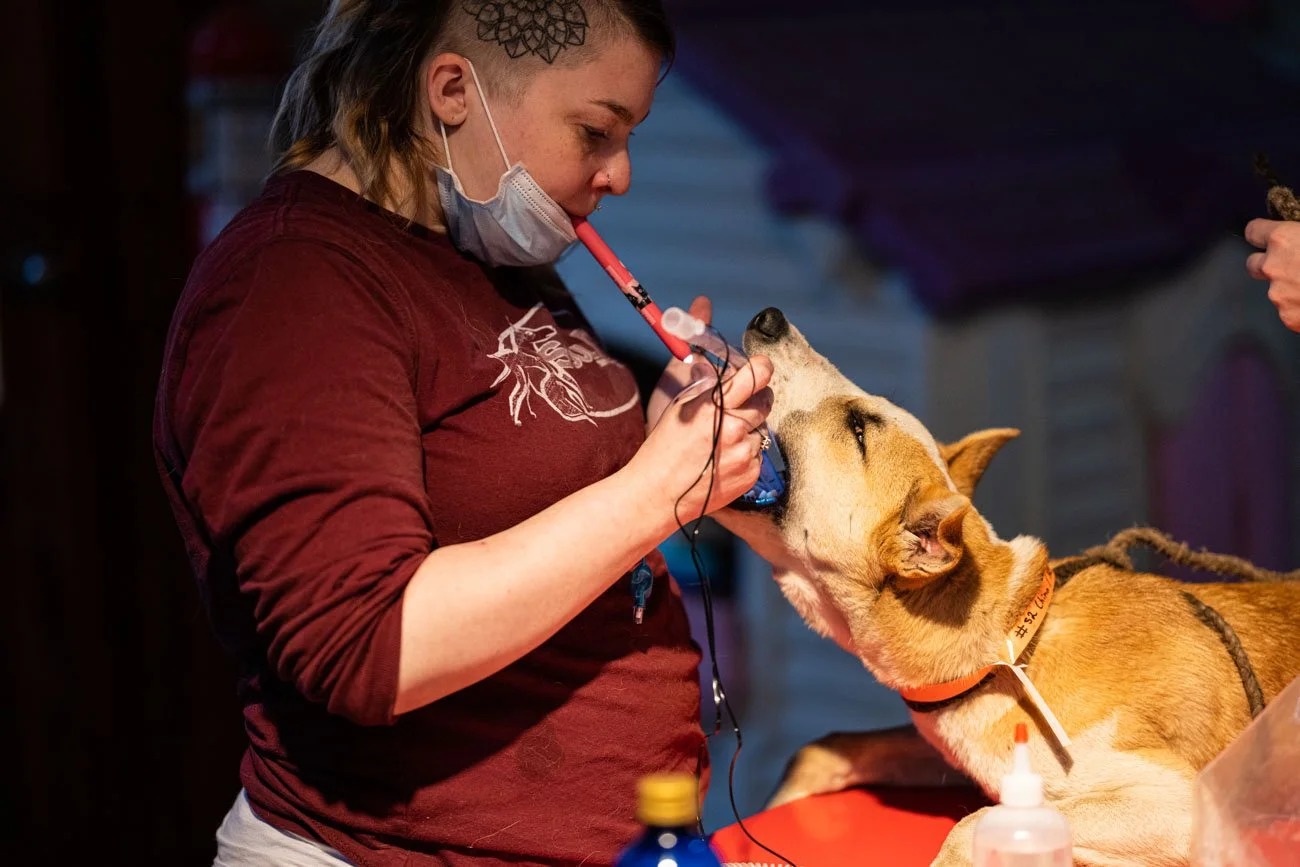
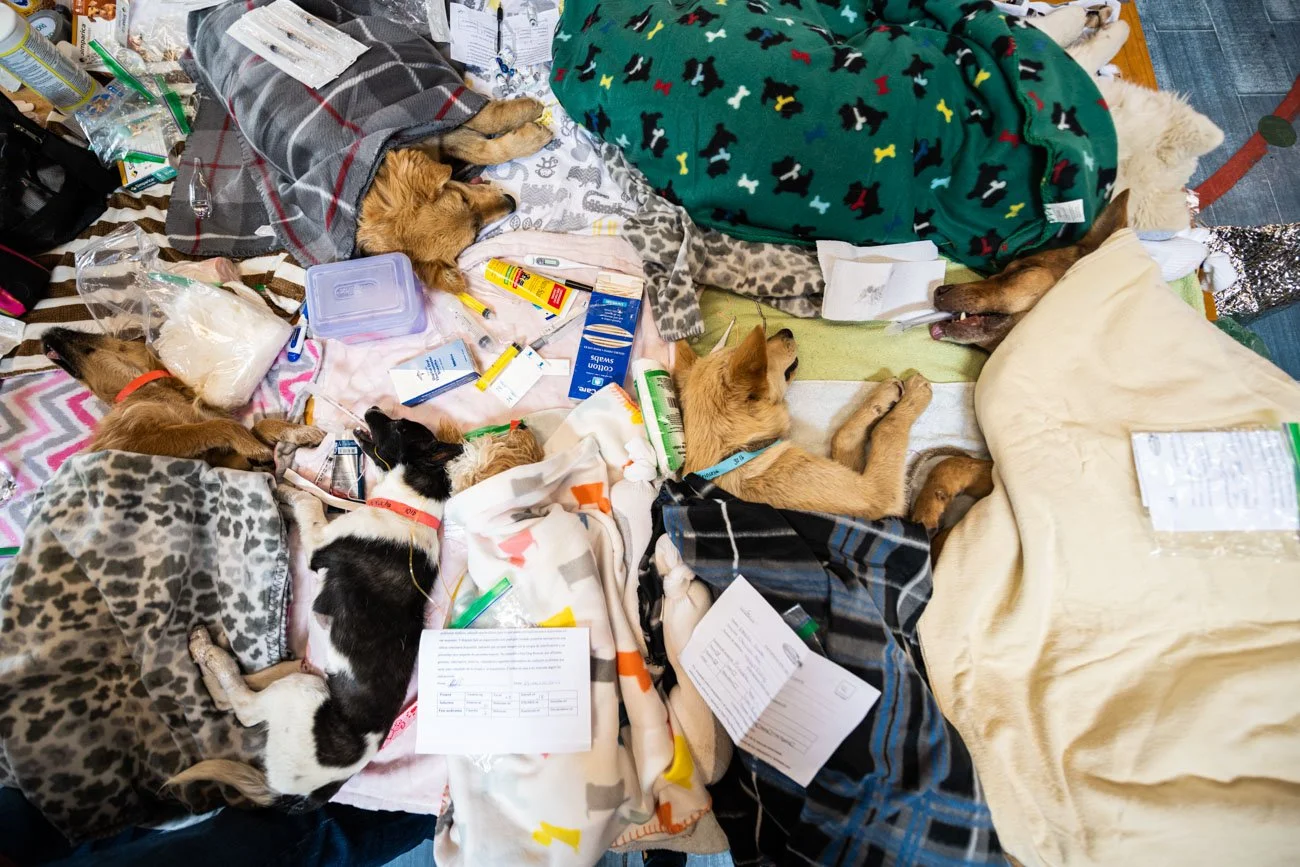
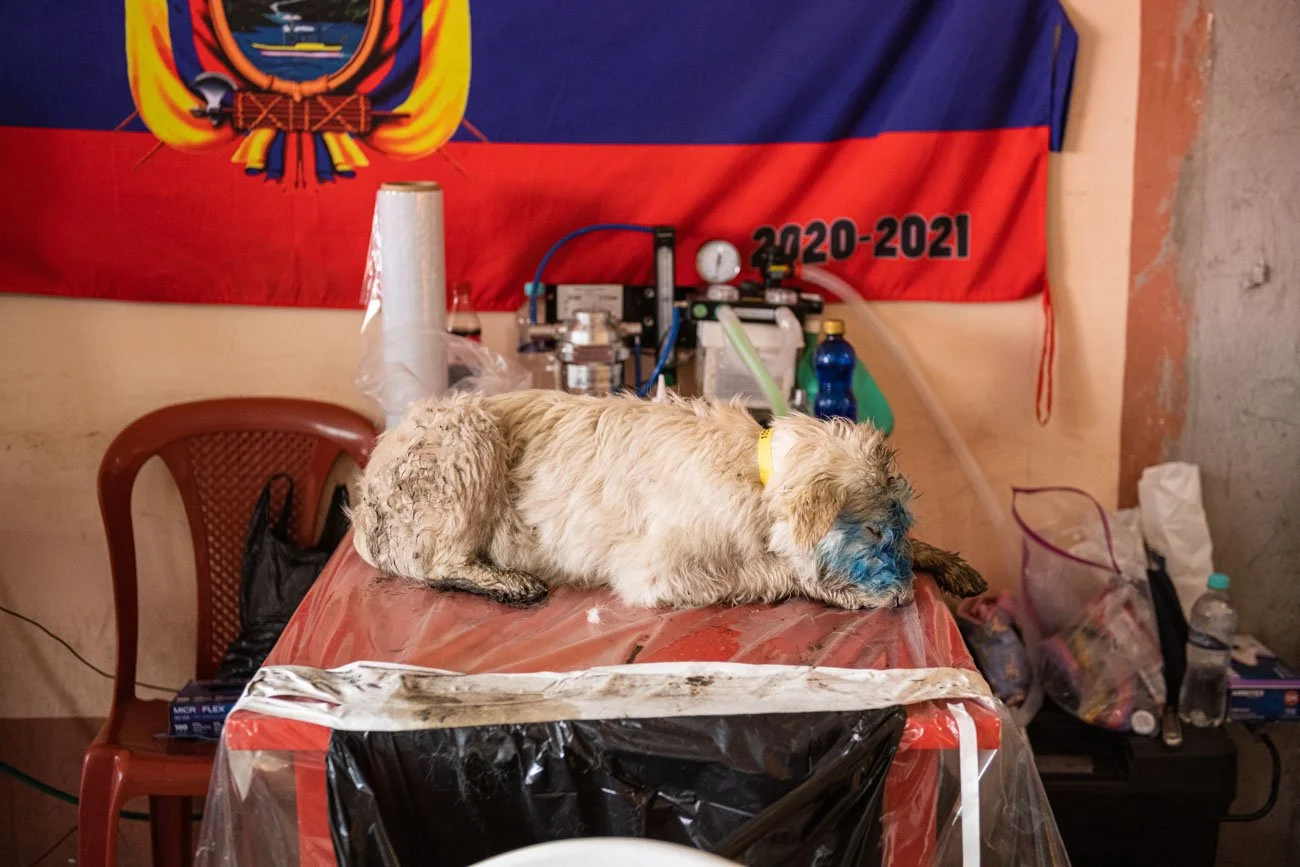
Though Guamote had seen this veterinary team before, and the community was well-versed in the process and trusting, this was the first known spay/neuter clinic offered in Pull Chico. People were a little more concerned about the process, and some children got in trouble for bringing their family pets in. As I walked around the room, a man looked at his dog on the surgery table. He seemed defeated so I asked him what troubled him. He looked at me and said: “My dog is dead, isn’t he”. “No”, I replied gently, “He is just sleeping while the doctor does the surgery”. “No, no, he is dead. You can tell me”. I reassured the old man as best I could, but he didn’t believe me. His dog later emerged from the anesthesia, and the man was beaming with joy.